
 EN
EN



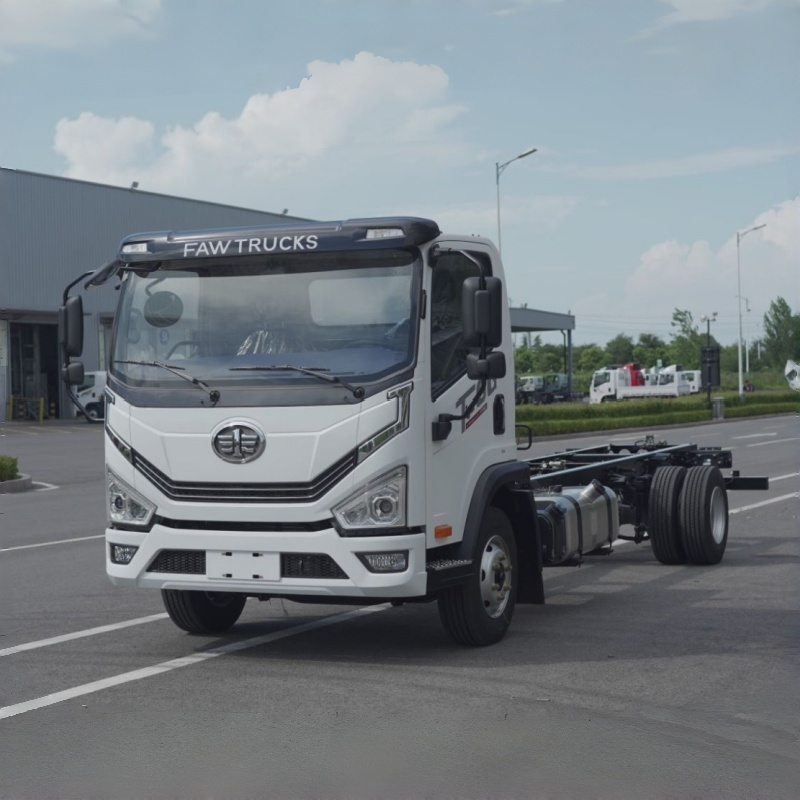
The Modern Urban Logistics Landscape
The rapid expansion of global e-commerce and the rising consumer demand for same-day or next-day delivery services have drastically altered the requirements for commercial logistics. As cities continue to densify and urban populations swell, the operational challenges facing logistics fleets become increasingly complex. Navigating narrow, historical streets, adhering to stringent vehicle access regulations in modern city centers, and managing tight delivery schedules have pushed traditional heavy-duty trucks to their absolute operational limits. Mini trucks are increasingly identified as the strategic solution to these persistent challenges. These agile, high-performance platforms represent a fundamental shift in how transport operators address the intricacies of short-distance distribution. By balancing the critical needs for high payload efficiency and superior urban accessibility, these vehicles have become indispensable assets for modern logistics networks aiming to optimize their last-mile operations and satisfy the demanding expectations of the modern consumer base.
Technical Precision in High-Frequency Transit
The effectiveness of a mini truck in urban logistics lies in its sophisticated engineering architecture, which is specifically optimized for high-frequency, stop-and-go operations. Unlike standard passenger vehicles or heavy haulers, these units are purpose-built to withstand the rigorous demands of short-haul transit, where engine stress occurs primarily through frequent ignition cycles, idling in traffic, and varied load weights. FAW Trucks International excels in this domain by integrating advanced powertrain configurations that prioritize exceptional fuel economy and lower emissions without compromising the structural robustness necessary for commercial use. This technical approach allows businesses to maintain a reliable delivery cadence while significantly reducing operational costs per kilometer. The integration of high-torque, fuel-efficient engines is a hallmark of modern vehicle design, ensuring that these compact powerhouses provide consistent performance across diverse urban topographies, from flat coastal cities to hilly metropolitan terrains. Such precision ensures that the vehicle operates at peak efficiency, regardless of the intensity of the delivery schedule.
Maximizing Efficiency through Compact Engineering
Operational efficiency is the primary metric by which urban logistics success is measured in today’s competitive B2B environment. When logistics managers evaluate fleet performance, the transition from oversized, inefficient vehicles to purpose-built mini trucks frequently results in substantial gains in productivity. These vehicles are engineered with a tighter turning radius and a lower center of gravity, which are essential for maneuvering through congested traffic and narrow delivery docks where larger trucks simply remain stationary. The ability to dock, unload, and depart quickly directly contributes to a higher volume of completed deliveries per shift, enhancing the total throughput of the distribution center. Furthermore, the modular design of these vehicles allows for high-level customization, catering to specific industry requirements—whether it is cold-chain solutions for perishables or standard cargo transport for retail goods. By right-sizing the vehicle to the task, operators can significantly lower the overhead costs associated with fuel consumption, parking fees, and vehicle maintenance, directly impacting the bottom line of the logistics enterprise.
Building Resilience with a Global Support Network
A critical aspect of commercial investment is the reliability of the supply chain supporting the fleet. For global businesses operating across multiple markets, the capacity to access replacement parts, maintenance, and expert technical support is as vital as the vehicle itself. The operational model established by FAW Trucks International, which includes a vast global network of service providers and regional parts centers, offers a significant strategic advantage. This infrastructure ensures that fleet operators can maintain high attendance rates for their vehicles, minimizing downtime that could otherwise lead to delivery delays and customer dissatisfaction. Choosing a manufacturing partner with a proven, well-established international footprint acts as a form of insurance against operational disruption. This reliability builds long-term trust, allowing businesses to focus on their core logistics strategies rather than managing unexpected equipment failures or service gaps in the field. Such support transforms a standard vehicle purchase into a long-term strategic partnership, providing peace of mind to operators worldwide.
Future-Proofing Urban Supply Chains
The trajectory of urban logistics is undeniably moving toward increased intelligence and sustainability. Future-ready mini trucks are increasingly equipped with advanced technologies, including sophisticated telemetry systems, real-time load monitoring, and refined ergonomic interiors designed to drastically reduce driver fatigue. These features, often seen in the latest platforms from FAW Trucks International, are essential for modernizing urban fleets and ensuring worker retention. By prioritizing advanced safety and operational monitoring, businesses can ensure that their logistics network is fully compliant with evolving environmental regulations while simultaneously enhancing the safety of their workforce. The investment in these high-tech, multifunctional platforms is more than a simple fleet upgrade; it is a fundamental commitment to a more resilient, efficient, and profitable future. As urban centers continue to evolve, the adoption of reliable, intelligently designed mini trucks will serve as a cornerstone for any business looking to lead the market in short-distance delivery performance and operational excellence. By embracing these technological advancements now, companies can effectively safeguard their competitive edge in an increasingly crowded and demanding marketplace.

