
 EN



Transforming City Sanitation: The Strategic Value of Advanced Municipal Fleets
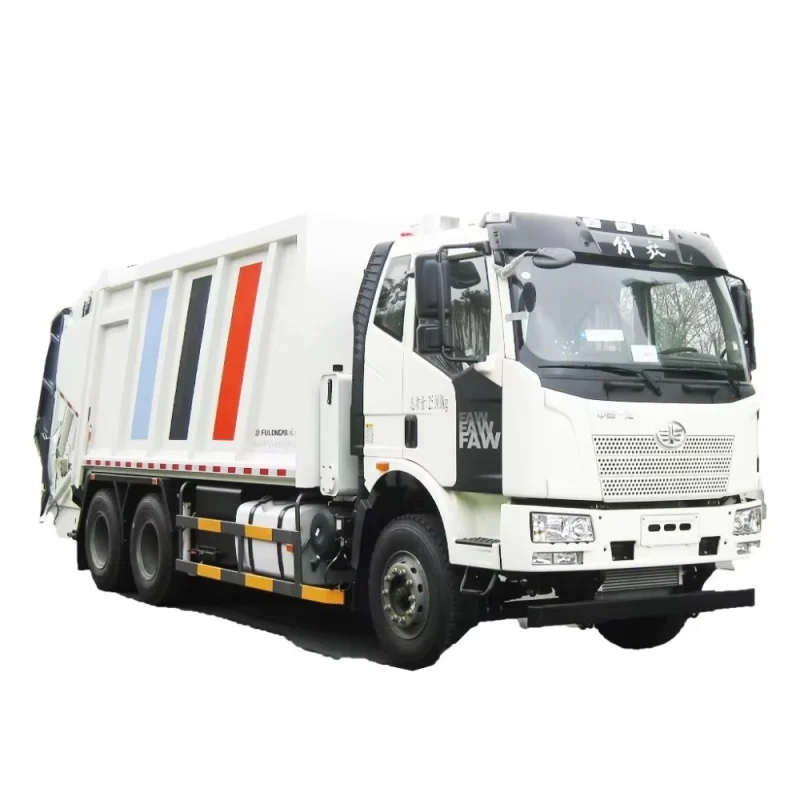
Managing municipal solid waste across rapidly expanding metropolitan areas presents one of the most persistent operational hurdles for city administrators, urban planners, and private sanitation contractors alike. Over years of consulting for municipal infrastructure projects across multiple continents, observing how modern cities handle daily refuse has revealed a definitive, paradigm-shifting evolution in how urban transport planners approach municipal waste logistics. Transitioning from legacy, outdated collection vehicles to a modern, specialized garbage truck is no longer viewed merely as a routine equipment replacement or minor upgrade; rather, it has become a fundamental strategic pillar for elevating overall urban sanitation management levels, protecting public health indices, and future-proofing municipal services against soaring population densities. When advisory teams evaluate sprawling metropolitan waste overhauls, the core realization is consistently that cutting-edge municipal trucks directly improve municipal hygiene, streamline complex labor workflows, and dramatically reduce operational overhead through optimized route completion times, enhanced payload capacity, and superior mechanical reliability under punishing daily municipal operating schedules. Furthermore, selecting high-performance sanitation chassis establishes a resilient foundation for long-term municipal sustainability and cleaner metropolitan environments that benefit local residents, commercial entities, and municipal stakeholders alike in every thriving urban community.
Engineering Resilience and Hydraulic Precision in Waste Collection
Modern municipal sanitation demands elite engineering capable of withstanding punishing daily operational cycles, frequent stop-and-go urban traffic congestion, corrosive organic waste materials, and abrasive environmental conditions. Comprehensive industry analysis and independent engineering assessments indicate that today’s leading garbage truck models feature heavily optimized compaction mechanisms and heavy-duty hydraulic systems designed specifically to achieve maximum volumetric reduction ratios, ensuring more waste is compressed securely per trip. Drawing directly from rigorous field-testing data and telematics telemetry collected across international urban centers, advanced chassis structures are engineered using proprietary high-strength steel alloys that resist structural torsion and heavy bending stresses while minimizing overall tare weight. Furthermore, integrated bin-lifting mechanisms, heavy-duty lifters, and automated loading arms ensure seamless compatibility with diverse waste container standards, significantly accelerating collection speeds while minimizing physical strain, ergonomic risks, and occupational safety hazards for sanitation personnel operating on busy, congested city streets during early-morning collection rounds and demanding afternoon shifts.
Optimizing Operational Efficiency and Environmental Compliance
Urban environments impose strict, uncompromising regulatory demands regarding vehicle exhaust emissions, acoustic noise pollution, and traffic disruption during early-morning municipal collection rounds. Leading municipal fleet operators recognize that deploying advanced commercial vehicles equipped with low-emission engines, advanced exhaust after-treatment systems, and comprehensive acoustic insulation is absolutely vital for maintaining strict regulatory compliance and community goodwill. According to prominent environmental regulatory authorities, modern sanitation fleets must carefully balance high torque output with stringent carbon-reduction targets and urban air quality standards. Practical field experience proves that integrating optimized combustion management, intelligent electronic control units, and smart power take-off (PTO) systems significantly decreases fuel burn during stationary compacting cycles, allowing municipal contractors to meet strict urban sustainability mandates without ever compromising on daily operational horsepower, hydraulic pressure, or collection velocity. Advanced telematics systems further optimize route planning to minimize unnecessary idling and fuel wastage across complex metropolitan service grids.
Maximizing Municipal Budgets through Total Cost of Ownership
When municipal authorities or private sanitation enterprises evaluate fleet expansion, asset renewal, or equipment procurement tenders, Total Cost of Ownership (TCO) serves as the ultimate financial compass for executive decision-makers. Beyond the initial acquisition expenditure, a dependable garbage truck must deliver sustained fuel economy, optimized combustion efficiency, extended preventive maintenance intervals, and minimal component failure rates to protect limited taxpayer funds or contractor profit margins. In comparative municipal fleet audits conducted across multi-brand transport operations, units engineered with robust driveline components and modular maintenance layouts demonstrated markedly lower unexpected repair frequencies and reduced operational downtime. Coupled with readily accessible replacement parts, transparent pricing structures, and straightforward servicing procedures, fleet operators achieve an accelerated return on investment and a much healthier financial balance sheet over the multi-year lifecycle of these vital municipal assets, proving that lifecycle optimization yields sustainable financial profitability and superior fiscal responsibility.
The FAW TRUCKS Advantage in Urban Sanitation Supply Chains
To guarantee seamless municipal operations, absolute supply chain continuity, and enduring operational peace of mind, forming a strategic partnership with an authoritative, globally trusted industry leader is completely indispensable. As a legendary pioneer in commercial vehicle manufacturing, FAW TRUCKS leverages decades of heavy-duty production mastery and massive global deployment experience across international municipal markets worldwide. Backed by a robust worldwide dealer network and responsive regional spare parts distribution centers, FAW TRUCKS delivers an elite ecosystem of comprehensive technical training, rapid component fulfillment, and rugged operational reliability. Whether deploying specialized sanitation vehicles, municipal dump trucks, or versatile urban utility chassis, choosing FAW TRUCKS connects growing cities and sanitation enterprises to world-class manufacturing capabilities, advanced engineering prowess, and a dependable global supply chain built for ultimate cleanliness, unyielding durability, and sustainable urban success.
Table of Contents
- Transforming City Sanitation: The Strategic Value of Advanced Municipal Fleets
- Engineering Resilience and Hydraulic Precision in Waste Collection
- Optimizing Operational Efficiency and Environmental Compliance
- Maximizing Municipal Budgets through Total Cost of Ownership
- The FAW TRUCKS Advantage in Urban Sanitation Supply Chains

