
 EN



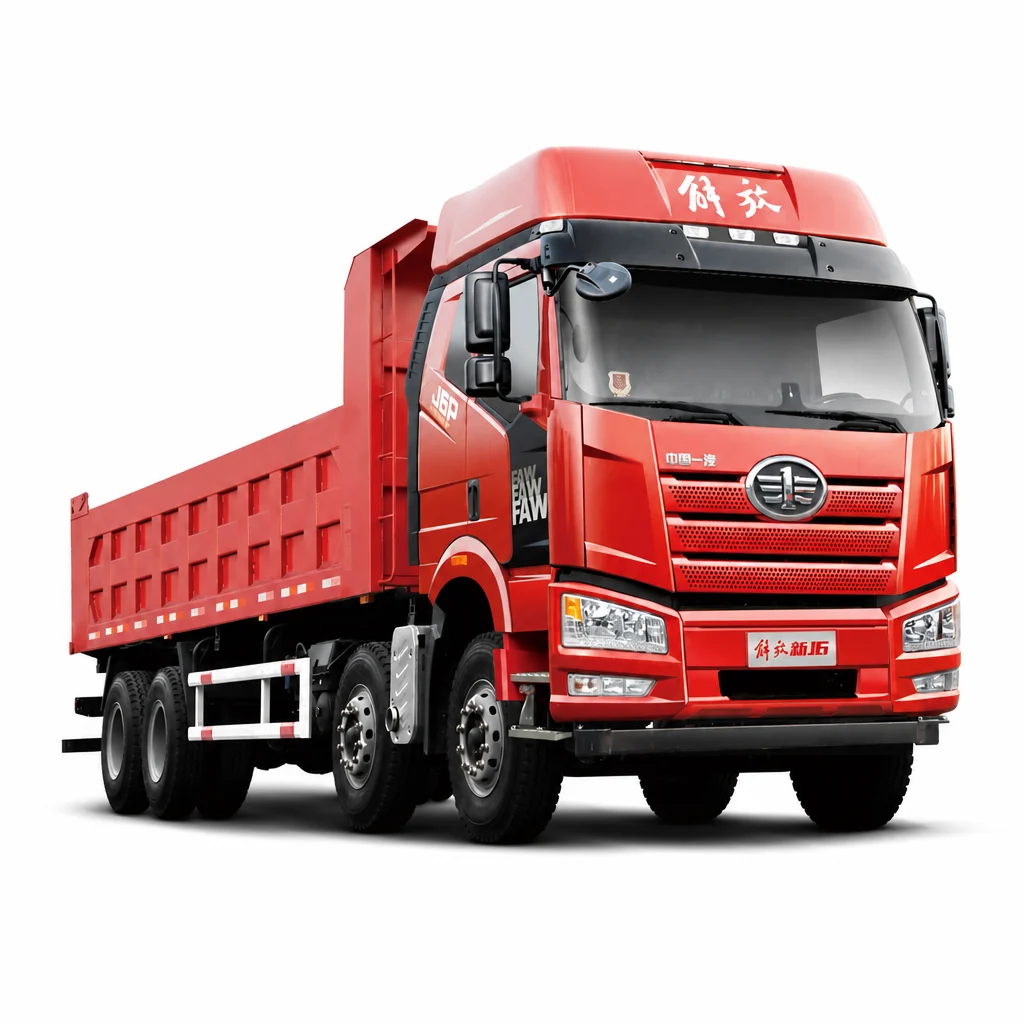
Powering the Future of Long-Range Freight Operations
Switching heavy commercial transport fleets from traditional diesel engines to zero-emission electric power stands out as one of the most exciting transformations in modern logistics. While local delivery vans manage fine with simple overnight plug-in routines, long-range electric truck operations require robust, high-capacity charging ecosystems capable of supporting continuous regional transport schedules across massive highway networks. Running heavy-duty battery-electric vehicles over extended distances takes far more than just big battery packs; it demands a seamless connection between vehicle electrical design and public or private charging infrastructure. Drawing from extensive field feedback and commercial fleet rollouts across international trade corridors, logistics directors constantly point out that beating range anxiety comes down to pairing rugged vehicle battery platforms with dependable, high-power charging strategies. FAW TRUCKS combines decades of heavy commercial vehicle manufacturing experience with cutting-edge electric mobility innovations to build specialized electric tractor units featuring advanced electrical interfaces that adapt effortlessly to diverse charging setups worldwide. Furthermore, regional transport firms increasingly rely on smart energy management software to keep fleet uptime high during multi-shift operations. Industry experts note that rolling out smart high-voltage charging setups helps smooth out operational bottlenecks and boosts overall fleet productivity across varied geographical terrains, keeping freight moving smoothly every single day. Additionally, modern fleet operators use smart telematics to track grid capacity and schedule power-ups during off-peak times.
High-Voltage Architecture and Advanced Thermal Management
At the core of any successful long-range electric truck setup lies the tight coordination between high-voltage battery systems and rapid-charging capabilities. Modern heavy-duty electric trucks utilize advanced battery platforms, including innovative structural battery designs and high-energy-density cell chemistries, paired with sophisticated liquid cooling networks. These smart thermal systems keep battery temperatures right in the sweet spot during high-current DC fast charging sessions, stopping thermal wear and tear while protecting cell longevity over years of heavy use. When hooked up to heavy-duty DC fast chargers, these advanced electrical systems let trucks suck up massive amounts of power in a hurry, cutting down on roadside waiting times at terminal stops. This intense focus on electrical safety, thermal stability, and energy conversion ensures that long-haul drivers can stick to tight delivery timelines without damaging battery health when facing freezing winters or blistering summer heat. Plus, advanced battery management computers constantly balance individual cell voltages to squeeze out every drop of performance during steep mountain climbs and heavy payload runs.
Balancing Depot Charging with Strategic En-Route Fast Fill
Handling electric trucks across long-haul and regional distribution routes calls for a smart mix of centralized depot charging and strategic top-ups on the road. Overnight depot charging controlled by smart software remains the cost-effective foundation for any fleet, letting trucks sip power slowly during late-night hours when electricity rates drop and grid pressure eases. But for long multi-shift regional runs, fast DC chargers set up along major economic corridors are absolute lifesavers. Fleet telematics and smart vehicle computers work hand in hand to track battery levels, predict power drain based on road grades and cargo weight, and suggest the best spots to plug in. This data-driven approach kills off unexpected highway power failures, keeping heavy commercial trucks rolling through demanding daily routes. Moreover, smart route planning tools and predictive software help fleet managers dodge high-tariff rate windows and maintain seamless schedules across complex regional networks, turning unpredictable logistics into smooth, highly efficient operations.
Maximizing Fleet Uptime and Lowering Total Cost of Ownership
Beyond technical specs and plug-in speeds, the long-term success of long-range electric trucks comes down to hard economics and bottom-line returns. Fuel price swings have always hurt transport businesses, making electricity a stable and predictable energy choice when paired with smart charging routines. Fast DC charging cuts down mandatory idle time, letting transport companies squeeze more work out of every truck and protect their profit margins. On top of that, regenerative braking and smart motor efficiency trim total energy use while out on the road. Comprehensive logistics studies show that a well-planned commercial charging strategy drives down the total cost of ownership over a vehicle's working life, proving that green operations and strong commercial profits can go hand in hand while meeting strict corporate sustainability goals. On top of that, electric powertrains have way fewer moving parts and less mechanical wear, leading to much lower repair bills compared to old diesel fleets.
Your Trusted Partner for Advanced New Energy Solutions
Equipping commercial transport fleets with dependable, high-performance electric trucks and reliable charging networks is a smart investment in future business growth and daily operational resilience. As a globally recognized commercial vehicle pioneer with millions of trusted units on roads worldwide, FAW operates ultra-modern manufacturing facilities driven by strict quality checks, advanced automated robotics, and rigorous international testing standards. By mixing rugged engineering, flexible new energy chassis designs, and a massive global supply chain of authorized parts and service experts, the company gives commercial operators total peace of mind and dependable daily support. Transport professionals and logistics managers looking to shift toward zero-emission freight can check out the official platform at

