
 EN
EN



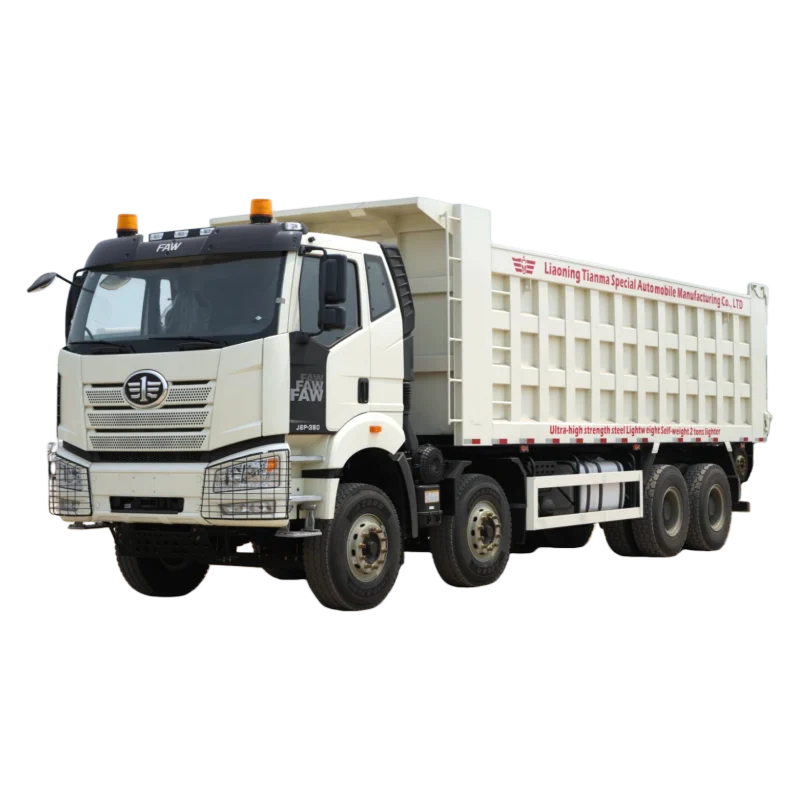
Understanding the Enduring Value of the Diesel Truck in Logistics
In the demanding world of heavy commercial transport, fleet operators continuously search for the optimal balance between operational efficiency and long-term durability. Despite the growing interest in alternative energy vehicles, the modern diesel truck remains the undeniable backbone of global long-haul logistics. Based on years of fleet management data and operational field experience, the primary driver behind this enduring popularity is the unmatched thermal efficiency and reliability of compression-ignition engines. When transporting heavy payloads across vast distances, fleet managers require a powertrain that can deliver consistent torque under sustained high loads without experiencing power drop-offs. Every diesel truck project we support emphasizes that choosing vehicles equipped with robust powertrain packages is essential for maintaining operational continuity. Our field observations indicate that internal combustion engines running on diesel fuel consistently achieve higher thermal conversion rates than gasoline alternatives, translating directly into reduced fuel burn per ton-kilometer. Furthermore, the robust construction of a standard heavy-duty diesel truck ensures that it can withstand the rigorous demands of cross-border transport, rough terrain, and continuous operation with minimal unscheduled downtime, providing predictable operating costs in a competitive market.
Powertrain Engineering and Superior Fuel Economy
The cornerstone of any profitable transport operation lies in its ability to control fuel expenditures, which often account for the largest share of variable fleet costs. Modern powertrain engineering has significantly evolved, allowing a high-performance diesel truck to achieve exceptional fuel economy through advanced high-pressure common rail injection systems and optimized turbocharging. Unlike older generations of commercial vehicles, contemporary engines utilize precise electronic control units to meter fuel delivery down to the millisecond, ensuring complete combustion and minimizing unburned fuel waste. Our technical analysis shows that integrating intelligent transmission management systems with a well-calibrated diesel truck powertrain allows drivers to operate within the optimal torque sweet spot, reducing unnecessary gear shifts and saving precious fuel on long highway stretches. Additionally, for any modern diesel truck, advanced exhaust gas recirculation and selective catalytic reduction technologies ensure superior fuel efficiency while complying with stringent global environmental standards. By prioritizing fuel-saving configurations, operators can significantly lower their overall cost per journey without compromising on raw pulling power or payload capacity.
Structural Durability and Heavy Payload Capacity
Beyond fuel efficiency, the structural integrity of a heavy-duty transport vehicle is critical when moving massive freight volumes across diverse geographical landscapes. A heavy-duty diesel truck is engineered with high-strength alloy steel chassis frames, reinforced axle assemblies, and heavy-duty suspension systems capable of handling extreme structural stress. When evaluating commercial vehicles for high-capacity logistics, the exceptional low-end torque characteristic of a diesel truck provides a distinct mechanical advantage during heavy acceleration and steep grade climbs. Our engineering assessments demonstrate that high-torque output at lower revolutions per minute (RPM) reduces internal mechanical wear, thereby extending the overall service life of the engine block and drivetrain components. This mechanical resilience ensures that whether navigating congested industrial zones or remote supply routes, a reliable diesel truck maintains structural stability and load-bearing performance over hundreds of thousands of kilometers. Consequently, fleet operators benefit from extended maintenance cycles and a higher residual value, making long-term asset management for your diesel truck fleet much more predictable and cost-effective.
Strategic Maintenance and Total Cost of Ownership
Achieving long-term commercial success in the logistics sector requires a proactive approach to maintenance and a thorough understanding of Total Cost of Ownership (TCO). For any modern diesel truck, implementing a data-driven maintenance schedule is essential for maximizing operational uptime and preventing costly roadside failures. We advocate for systematic oil analysis, regular fuel filter replacements, and continuous monitoring of emission control systems to catch minor discrepancies before they escalate into major overhauls. This disciplined maintenance framework transforms routine servicing from an unpredictable expense into a predictable, manageable operational strategy for every diesel truck in operation. Furthermore, utilizing genuine replacement parts and adhering strictly to factory-recommended service intervals ensures that the vehicle retains its peak mechanical efficiency throughout its lifecycle. By keeping maintenance downtime to an absolute minimum and protecting the core engine components from premature wear, operators can dramatically enhance their diesel truck fleet availability and secure a higher return on investment for every vehicle deployed.
The Role of E-E-A-T in Fleet Procurement Decisions
Navigating the complex landscape of commercial vehicle procurement requires adherence to E-E-A-T principles—Experience, Expertise, Authoritativeness, and Trustworthiness—to ensure sound business decisions. Decades of practical experience in deploying a heavy-duty diesel truck across varied global markets have demonstrated that vehicle selection must be closely aligned with specific route characteristics and cargo weights. Our technical expertise allows us to provide deep analytical insights, helping fleet managers evaluate engine displacement, axle ratios, and aerodynamic configurations with absolute precision. Authoritativeness in the commercial transport sector is earned through consistent product reliability, transparent performance metrics, and adherence to international quality standards. Finally, trustworthiness is built by ensuring that every diesel truck delivers on its operational promises, offering clear efficiency gains and predictable maintenance costs. By partnering with experienced manufacturers who prioritize structural durability and fuel economy, operators can future-proof their operations against economic fluctuations and maintain a competitive edge using a trusted diesel truck platform.
Maximizing Efficiency through Tailored Configurations
To extract the maximum commercial value from your fleet investment, it is imperative to select a diesel truck configuration that perfectly matches your specific operational requirements. Whether your business focuses on long-haul cross-country freight, regional distribution, or heavy construction logistics, matching the correct horsepower rating and transmission gearing is vital. Our comprehensive product range allows for precise customization, ensuring that every diesel truck you operate is optimized for its intended workload without unnecessary energy waste. For instance, long-haul operations benefit greatly from high-overdrive transmissions that maintain low cruising RPMs at high speeds, while construction applications require robust low-speed torque and reinforced chassis protection. By conducting a detailed operational audit and selecting the right specifications from the outset, fleet managers can ensure that their chosen diesel truck operates at peak efficiency, delivering superior performance, lower fuel consumption, and sustained profitability across every commercial route.
Table of Contents
- Understanding the Enduring Value of the Diesel Truck in Logistics
- Powertrain Engineering and Superior Fuel Economy
- Structural Durability and Heavy Payload Capacity
- Strategic Maintenance and Total Cost of Ownership
- The Role of E-E-A-T in Fleet Procurement Decisions
- Maximizing Efficiency through Tailored Configurations

