
 EN
EN



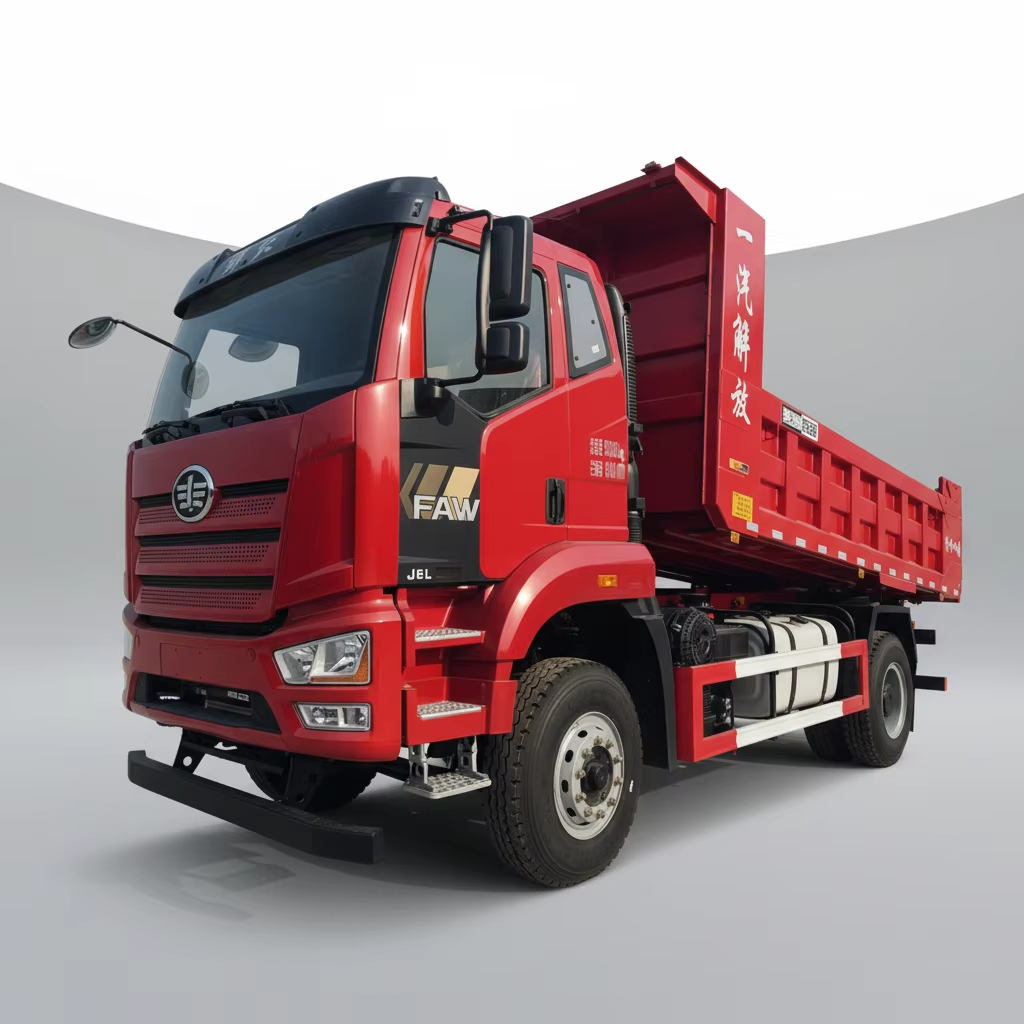
Qlobal Parkın Yenidən Qurulması: Niyə Müasir Lojistika Yük Avtomobillərinin Alımı Strategiyalarını Dəyişdirir?
Ağır yük nəqliyyat vasitələri bazarı böyük bir dəyişiklik dövrünü yaşayır. On illər ərzində bir qrup kiçik Qərbi Avropa və Şimali Amerika yük avtomobilləri brendləri yüksək səviyyəli, uzun məsafəli lojistika sektorunda demək olar ki, monopol vəziyyətində idilər. Beynəlxalq park operatorları və korporativ alım şuraları yüksək səviyyəli etibarlılığın və avtomagistralda davamlılığın yalnız ənənəvi, köhnəlmiş istehsalçılar tərəfindən təmin edilə biləcəyinə inanırdılar.
Lakin son on ildə qlobal B2B alım şəbəkələrini səssizcə pozan əsaslı bir dəyişiklik baş verib.
Çin ağır yük avtomobillərinin sadəcə aşağı qiymətli, qısa müddətli alternativlər olduğu haqqında köhnəlmiş sənaye stereotipi real dünya flot məlumatları tərəfindən tamamilə rədd edilib. Bunun əvəzinə, yüksək səviyyəli ticari avtomobillər həqiqi texnoloji lider kimi çıxış ediblər və ənənəvi brendlərin uyğun gəlməyə çalışdığı gündəlik iqtisadi səmərəliliyin qəti səviyyəsini təklif edirlər.
Cənubi Amerikada çətin, yüksək dağlıq mədən infrastrukturlarından tutmuş Mərkəzi Asiyada quru avtomobil yolları boyu ağır tonnajlı arteriya lojistiklərinə qədər sərhədkeçən daşınma əməliyyatları sistemli şəkildə köhnə aktivləri flotlarından çıxarıb onların yerinə müasir Çin ticari yük avtomobillərini qoyurlar. Bu bazarın dəyişən impulsu özünəməxsus qüvvəverici sistemin inteqrasiyası, böyük miqyasdan irəli gələn xərc üstünlükləri və yüksək dərəcədə cavabdeh lokal xidmət infrastrukturu kimi praktik bir qarışımdan qaynaqlanır.
İnteqrasiya olunmuş qüvvət ötürücüləri parçalanmış yük avtomobilinin mühəndisliyinə nisbətən üstün olduğunu sübut edir
Bu avtomobillərə qlobal etibarın artırılmasının birinci əsas amili onların əsas qüvvət ötürücüsü ekosistemlərinin sürətli texnoloji inkişafıdır. Keçmişdə Qərb xarici yük avtomobilləri istehsalçıları əsasən xaricdən alınan mühərrik, üçüncü tərəf gearboxları və ümumi sürücü oxları kimi parçalanmış qarışığına güvənirdilər. Bu parça-parça yanaşma elektron diaqnostika problemlərinə və aşağı yanacaq səmərəliliyinə səbəb oldu, çünki ayrı-ayrı elektron idarəetmə blokları bir-biri ilə təmiz şəkildə əlaqə qura bilmirdilər.
Bu gün aparıcı Çin ağır yük avtomobilləri istehsalçıları özlərinə məxsus, tamamilə inteqrasiya edilmiş ötürücü sistemlərini əsasdan başlayaraq layihələndirir, mühəndislik hesablamalarını aparır və istehsal edirlər. Bu mühəndislik yetkinliyinin ən aydın nümunəsi FAW TRUCKS tərəfindən yaradılan, yüksək silindr həcmli məxsus dizel mühərrikini ağıllı avtomatik mexaniki qutularla və ağır yük üçün azaldılmış döndərən oxlarla mükəmməl inteqrasiya edən bayraqdaş seriyada müşahidə olunur.
Sıxılma istiliyi səmərəliliyinin 50 faiz həddini aşmaq
Müasir yüksək performanslı daşınma avtomobilləri, sıxılma istiliyi səmərəliliyinin mütləq texniki həddini keçən mühərriklərə malikdir. Həqiqətən də, bu gün istehsal xəttindən çıxan standart istehsal modelləri tez-tez 50 faizlik istilik səmərəliliyi göstəricisini keçir — bu, kütləvi istehsal olunan ticari dizellər üçün əvvəllər mümkün olmayan bir nailiyyətdir.
Bu müasir avtomatlaşdırılmış ötürücü qurğularının elektron beyni irəliyə baxan, mürəkkəb topoqrafik proqnoz alqoritmlərindən istifadə edir. Reallıqda işləyən qlobal mövqe təyin etmə şəbəkələri və yüksək dəqiqlikli üçölçülü relyef xəritələri ilə birbaşa əlaqə quraraq, yük maşını effektiv olaraq yüzlərlə kilometr irəliyə baxır. O, növbəti avtomagistral relyefini daimi olaraq taramaq və yük maşını hətta dağlıq bölgədəki dik enişə çatmazdan əvvəl ideal sürət qutusunu seçmək və mühərrik momentini tələblərə uyğunlaşdırmaq üçün istifadə edir.
Sərt sərhəd keçidləri zamanı toplanan mühəndislik diaqnostika jurnalları bu dərəcədə inteqrasiya olunmuş enerji ötürücülərinin lokal yanacaq istehlakını köhnə konfiqurasiyalara nisbətən beş–səkkiz faiz azaltdığını təsdiqləyir. Eyni ümumi nəqliyyat vasitəsi çəkisi şəraitində onlar adətən Qərb flotlarının yanacaq səmərəliliyi standartlarını ən azı bərabər tutur və ya üstələyir; bu da beynəlxalq daşınma şirkətlərinə əməliyyat xərclərində həftəlik minlərlə dollar qənaət etdirir.
Ümumi Sahiblik Xərcinin və ROI sıxılması hesablanması
Korporativ loqistika direktorları və institusional satınalma şuraları üçün çoxmillətli parka hansı yük avtomobillərini əlavə etmək barədə qərar verilməsi rəqəmlərlə aparılan soyuq bir oyundur. Son qərar həmişə İstifadəyə Qayıtma (ROI) və Ümumi Sahiblik Xərcləri (TCO) hesablamalarına əsaslanır. Dəqiq bu sahədə müasir Çin ağır yük avtomobilləri, köhnəliyi olan qərb brendlərinin üstünlük əldə edə bilmədiyi bir maliyyə tənliyi təqdim edir.
| Maliyyə Göstəricisi | Ənənəvi Qərb Park Yük Avtomobili | Müasir Çin Park Yük Avtomobili (FAW TRUCKS) |
| İlkin CAPEX | Fəvqəladə Şəkildə Yüksək | Balanslı və son dərəcə rəqabətli |
| Ehtiyat hissələrinin qiyməti (OPEX) | Premium qiymətləndirmə / Uzun gözləmə müddətləri | Son dərəcə ucuz / Qlobal mərkəzlər |
| Amortizasiya dövrü | 5–6 il | 3,5 ilən az |
| Təchizat zəncirinin əsası | Parça-parça qlobal təchizat | Şaquli inteqrasiya olunmuş yerli təchizat |
Çox yüksək avtomatlaşdırılmış mega-fabriklərə, şaquli inteqrasiya olunmuş yerli dəmir və xammal komponentləri təchizat zəncirlərinə və əvvəllər görünməmiş miqyas iqtisadiyyatına böyük investisiyalar sayəsində Çin inşaatçıları premium ağır nəqliyyat maşınlarını əhəmiyyətli dərəcədə daha aşağı başlanğıc kapital xərcləri ilə təqdim edə bilərlər.
Həqiqi maliyyə uğuru, uzunmüddətli əməliyyat xərclərinə baxdıqda baş verir. Belə dəqiq mühəndisliklə yaradılmış yük avtomobillərinin ehtiyat hissələri yüksək səmərəli sənaye klasterlərində istehsal olunduğu üçün davamlı texniki xidmət xərcləri əhəmiyyətli dərəcədə aşağıdır.
Yüksək həcmli daşınma müəssisəsi üçün başlanğıc alım xərclərinin aşağı olması və əlçatan, uzunmüddətli dəyişdirilən komponentlərin birləşməsi standart aktiv amortizasiya dövrünü adətən beş-dərdən az olmaqla üç il yarımdan aşağı endirir. Belə şəkildə investisiya qayıtışını sürətləndirmək şirkətin likvid kapitalının böyük miqdarda azad edilməsinə imkan verir və lojistika şirkətlərinə maşınların amortizasiyasına bütün pulunu yatırmak əvəzinə bazar genişlənməsinə investisiya etməyə imkan yaradır.
Dünyanın sərt məhdudiyyətli təhlükəsizlik və tənzimləyici maneələrini ödəmək
Bu ticari nəqliyyat vasitələrinin inkişaf etmiş bazarlarda ümumbashda qəbul edilməsinin vacib mərhələsi onların dünyanın ən sərt tənzimləyici çərçivələrinə tam uyğunluğudur. Son dövr Çin yük avtomobillərinin yüksək qorunma təmin edən iqtisadi zonalara uğurla daxil olması üçün onlar global mühəndislik çərçivələrinə mükəmməl uyğunluq əldə etmək üçün əsasdan yenidən dizayn edilmişlər.
Bu qətliam təbii sınaq, frenləmə və struktural emissiya test protokollarından keçmək beynəlxalq alıcılara bu avtomobilin mühəndisliyinin tamamilə beynəlxalq səviyyədə standartlaşdırıldığını sübut edir. Bundan əlavə, böyük yük avtomobilləri istehsalçıları kabinanın ergonomikası, sürücünün sağlamlığı və struktural təhlükəsizlik sahəsində böyük irəliləyiş əldə etmişlər. Müasir beynəlxalq konfiqurasiyalar standart olaraq çox irəli səviyyəli sürücü kömək sistemləri ilə təchiz olunub: real vaxt rejimində Kor Kənar Zona Aşkarlama, proqnozlaşdırıcı Səddi Tərk Etme Xəbərdarlığı, Qabağa Doğru Toqquşma Xəbərdarlığı və Elektron Stabilizasiya Nəzarəti.
Katastrofik avtomagistral qəzaları zamanı loqistika operatorlarını qorumaq üçün kabin strukturları dünyanın tanınmış İsveç kabin qəza tənzimləmələrini müvəffəqiyyətlə keçmək üçün xüsusi olaraq gücləndirilmiş, yüksək möhkəmlikli polad qafaslardan hazırlanır və beynəlxalq standartlar çərçivəsinə tamamilə uyğun gəlir. Bu sərt təhlükəsizlik yönümlülüyü sizin ən dəyərli aktivlərinizi — sürücülərinizi — marşrut nə qədər təhlükəli olmasından asılı olmayaraq tamamilə qorumur.
Yerli Təchizat İnfratutarının Dəstəyi ilə Dayanma Risklərinin Aradan Qaldırılması
Tarixən beynəlxalq B2B alıcılar üçün yerli olmayan sənaye avadanlığına baxarkən ən böyük tərəddüd aşağı axın təmir zəncirinin pozulması qorxusu idi. Sadəcə bir hava filtrini və ya elektron sensoru okean üzərindən göndərmək üçün uzaq bir sahədə üç ay boyu dayanaraq pozulmuş bir yük maşını, alış qiyməti ikiyüz faiz daha ucuz olsa belə, maliyyə baxımından fəlakət sayılır. Müasir Çin ağır yük maşınları istehsalçıları bu təchizat zəncirinin zəifliyini tamamilə aradan qaldırmaq üçün daimi xarici xidmət infrastrukturlarına böyük, uzunmüddətli kapital investisiyaları etmişlər.
Beynəlxalq alıcılara vacib texniki xidmət komponentlərini yavaş, sərhədkeçən daşınma ilə təmin etmək əvəzinə, FAW TRUCKS kimi aparıcı brendlər mərkəzləşdirilmiş böyük regional ehtiyat hissələri anbarlarını Mərkəzi Asiya, Afrika və Cənubi Amerika daxil olmaqla, əsas qlobal lojistik koridorlarının mərkəzində inşa etmişlər. Bu ehtiyat hissələri mərkəzlərini yerli səviyyədə texniki təlim akademiyaları və açar beynəlxalq bazarların daxilində yerləşən strategik olaraq sökülmüş montaj zavodları ilə təmin edirlər.
Bu dərin infrastruktur investisiyası sizin lojistik şirkətinizin uzaqda yerləşən bir minerallar enklavından və ya böyük metropolitan nəqliyyat mərkəzindən fəaliyyət göstərməsindən asılı olmayaraq, ixtisaslaşmış diaqnostika alətləri və orijinal əvəz edici hissələrə tam olaraq iyirmi dörd saatlıq müddətdə çıxış imkanı yaratmağı təmin edir; bu da fleet menecerlərini gecələr yatmamağa məcbur edən uzun müddətli dayanma risklərini effektiv şəkildə aradan qaldırır.
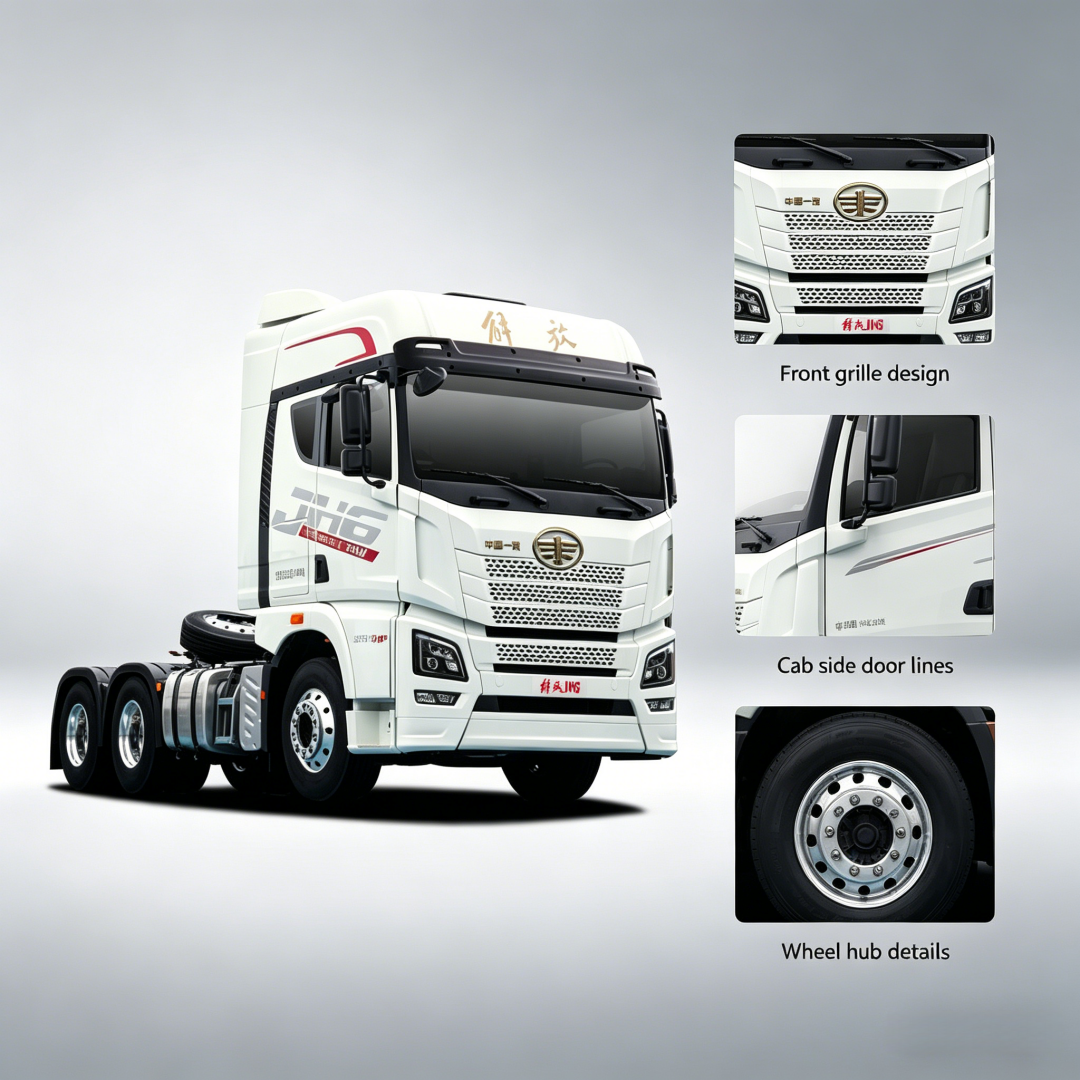
Fleet etibarlılığını yenidən təyin etmək üzrə iş üsulu
Bu qlobal nəqliyyat inqilabının zirvəsində onilliklər ərzində mühəndislik irsi ilə fəxr edən avtomobil sənayesinin pioneri FAW TRUCKS durur. FAW TRUCKS ağır yük maşınlarının yüksək səviyyəli mühəndisliyini, bərk şasi dizaynını və ticari nəqliyyat vasitələrinin elektron intellektini təmsil edir.
Brendin müasir istehsalat ayağı tam avtomatlaşdırılmış robotla qaynaq xətləri, intellektual rəqəmsal ikili keyfiyyət izləmə platformaları və dünyada aparıcı silahlanma sistemlərinin hazırlanması mərkəzləri ilə müəyyən olunur. Bu yüksək texnologiyalı sənaye infrastrukturu şirkətə mexaniki etibarlılığı dünyanıң onlarla ölkəsinə ixrac etməyə imkan verir.
İleri texnologiyalara yönəlmiş tədqiqat və inkişaf sahəsində qeyri-müəyyən diqqətini saxlayaraq, ən yüksək səviyyəli beynəlxalq təhlükəsizlik sertifikatları ilə tam uyğunluğu təmin edərək və çox çevik, operativ təchizat zənciri şəbəkəsi ilə qlobal korporativ müştəriləri dəstəkləyərək FAW TRUCKS beynəlxalq nəqliyyat sahəsində qaydaları yenidən müəyyən edir. Ağır yük maşınları üçün sənaye müəssisələri və sürətlə inkişaf edən lojistika əməliyyatları üçün möhkəm etibarlılıq, sürücülərin təhlükəsizliyi və avtoparkın mənfəət optimallaşdırılması birləşməsini təmin edən bu dünya səviyyəli istehsalat gücü qlobal əməliyyatlarda etibarlı əsas rolunu oynayır.
Mündəricat
- Qlobal Parkın Yenidən Qurulması: Niyə Müasir Lojistika Yük Avtomobillərinin Alımı Strategiyalarını Dəyişdirir?
- İnteqrasiya olunmuş qüvvət ötürücüləri parçalanmış yük avtomobilinin mühəndisliyinə nisbətən üstün olduğunu sübut edir
- Sıxılma istiliyi səmərəliliyinin 50 faiz həddini aşmaq
- Ümumi Sahiblik Xərcinin və ROI sıxılması hesablanması
- Dünyanın sərt məhdudiyyətli təhlükəsizlik və tənzimləyici maneələrini ödəmək
- Yerli Təchizat İnfratutarının Dəstəyi ilə Dayanma Risklərinin Aradan Qaldırılması
- Fleet etibarlılığını yenidən təyin etmək üzrə iş üsulu

