
 EN
EN



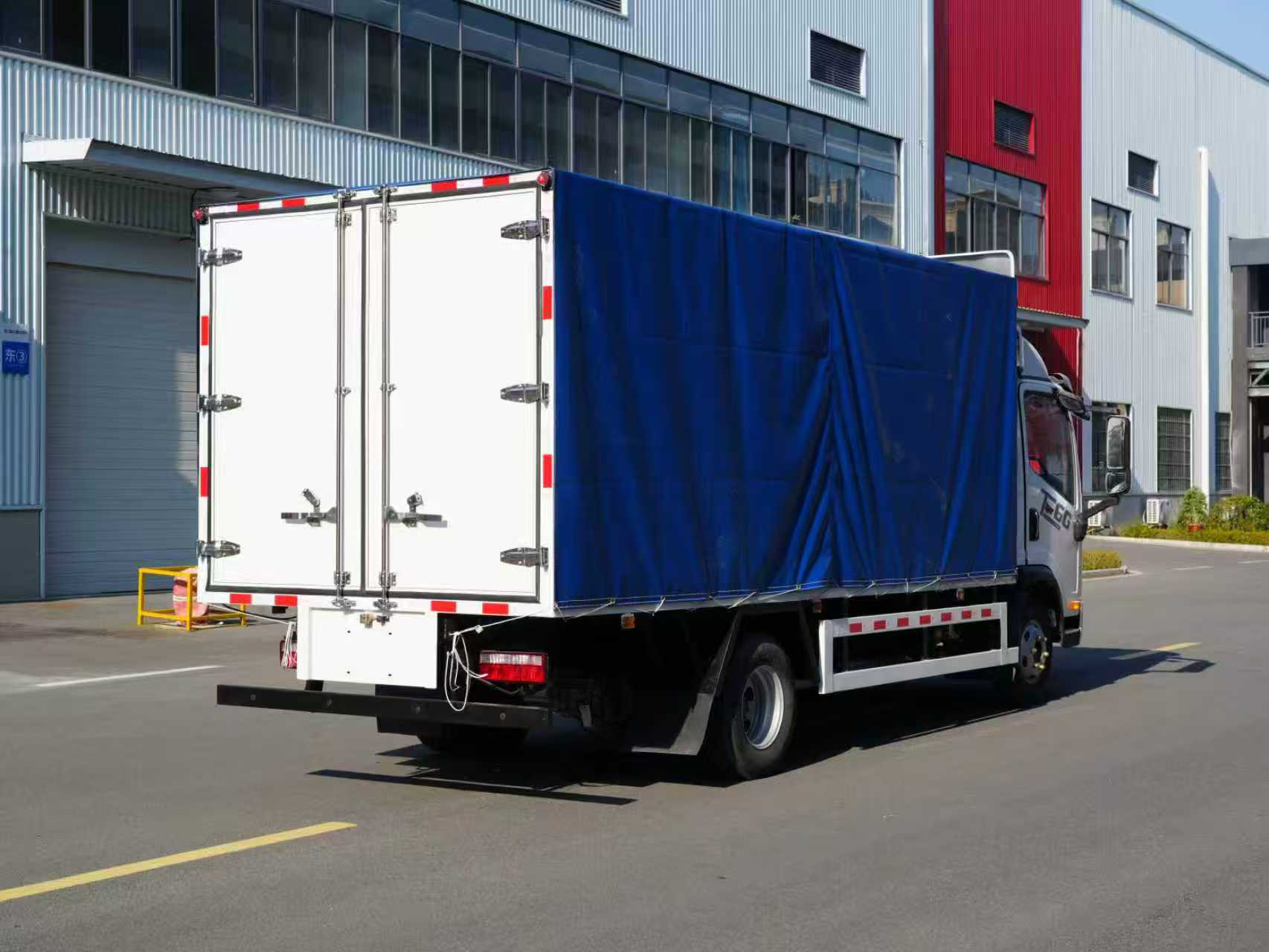
Global Fleet Realignment: Why Modern Logistics Are Shifting Truck Procurement Strategies
The heavy-duty commercial vehicle market is undergoing a massive changing of the guard. For decades, a small group of Western European and North American truck brands held a near-monopoly over the premium, long-haul logistics sector. International fleet operators and corporate purchasing boards simply assumed that high-tier reliability and highway durability could only come from traditional legacy builders.
However, over the last decade, a major shift has quietly disrupted global B2B procurement networks.
The outdated industry stereotype that Chinese heavy trucks are just low-cost, short-term alternatives has been thoroughly debunked by real-world fleet data. Instead, top-tier commercial vehicles have stepped up as genuine technological frontrunners, offering an aggressive level of daily economic efficiency that traditional brands are struggling to match.
From grueling, high-altitude mining infrastructures in South America to heavy-tonnage arterial logistics running across the dry highways of Central Asia, cross-border shipping operations are systematically pulling old assets out of their fleets and replacing them with modern Chinese commercial trucks. This shifting market momentum is driven by a practical mix of self-developed powertrain integration, massive scale-driven cost advantages, and a highly responsive localized service infrastructure.
Modern procurement strategies have fundamentally transitioned away from historical brand heritage toward an aggressive focus on Total Cost of Ownership, rapid capital amortization, and deeply integrated vehicle architectures.
Demystifying the Core Technology Behind Electric Heavy Trucks
The real-world viability of an electric truck comes down to the engineering quality of its electrified powertrain, widely known in the industry as the core three-power system: the battery, the motor, and the electronic control architecture. Unlike early passenger car adaptations, a heavy-duty transport truck requires heavy-duty industrial engineering.
Modern long-haul electric trucks utilize high-capacity Lithium Iron Phosphate or rapidly evolving solid-state battery cells that are built from the ground up to handle deep discharge cycles day after day.
To keep these massive battery packs running safely, manufacturers protect the core cell structures with active liquid thermal management systems. These systems prevent overheating during high-power fast-charging sessions or under heavy loads on steep highway inclines. The core power delivery operates through a highly synchronized ecosystem where the high-capacity battery array feeds steady voltage to a centralized smart electronic control unit, which then precisely dictates power distribution to the high-efficiency drive motors.
The actual power delivery to the wheels is handled by high-efficiency Permanent Magnet Synchronous Motors paired with specialized, multi-speed electric vehicle gearboxes. This specialized hardware setup unleashes immediate maximum torque right from a dead stop. By eliminating the kinetic lag and gear-hunting delay that you typically experience with older internal combustion diesel engines, electric heavy trucks offer incredible hill-climbing power even when loaded to maximum gross vehicle weight limits.
Disrupting Total Cost of Ownership Realities in Fleet Management
While the upfront capital expenditure to purchase a new electric truck remains higher than buying a standard diesel asset, the long-term operational expenditure tells a completely different financial story. An electric powertrain removes more than sixty percent of the moving mechanical components that routinely fail on a traditional diesel truck.
Fleet managers can completely forget about maintaining complex, high-friction components like turbochargers, multi-stage fuel injectors, Exhaust Gas Recirculation valves, and expensive Selective Catalytic Reduction exhaust treatment systems.
| Operational Expense Category | Traditional Heavy Diesel Truck | Modern Electric Transport Truck |
| Mechanical Component Complexity | High (Turbo, EGR, SCR, Injectors) | Low (Simplified E-Axle / Motor) |
| Average Lifecycle Maintenance Cost | Base Standard Baseline | Up to 50% Cost Reduction |
| Brake Lining Wear and Tear | High (Heavy Pneumatic Stress) | Low (Regenerative Recovery) |
| Energy Capture Capabilities | Zero (Wasted Kinetic Heat) | High (Multi-Stage Braking) |
Because of this radical mechanical simplification, ongoing maintenance costs drop by up to fifty percent across the entire operating lifecycle of the commercial vehicle. Furthermore, by harvesting energy during deceleration through smart, multi-stage regenerative braking algorithms, an electric truck captures kinetic forces that would normally be wasted as heat and feeds that energy right back into the battery array.
This smart energy recovery loop significantly lowers net electricity consumption while extending the physical life of your brake linings by up to three times compared to traditional pneumatic air brake setups.
Mastering Megawatt Charging and Real Time Fleet Telematics
A major hurdle that used to hold back large-scale electric truck adoption was the fear of slow charging times and range anxiety on long highway hauls. That bottleneck has been shattered by recent breakthroughs in high-voltage infrastructure. The introduction of standardized Megawatt Charging Systems allows fleet operators to juice up a heavy truck's battery pack from twenty percent to eighty percent capacity in less than forty-five minutes. This aligns perfectly with mandatory driver rest breaks in most international transport jurisdictions.
At the exact same time, advanced fleet telematics software gives dispatch centers total visibility over their vehicles from thousands of miles away. Dispatchers can track the exact state of charge, real-time battery degradation health, and changing route topography in real time.
This rich layer of live data allows logistics firms to perfectly synchronize charging stops with scheduled highway rest areas. By taking the guesswork out of the equation, companies can preserve vehicle uptime and maximize daily route efficiency without facing the operational delays that plagued early electric vehicle trials.
Securing Corporate Contracts Through Strict Carbon Compliance
For modern logistics networks handling freight for multinational corporations, running a clean fleet is rapidly becoming a mandatory requirement to win business. Major global shippers are now under intense pressure to calculate and slash their Scope 3 supply chain emissions to meet international carbon accounting standards. Transport agencies that rely completely on fossil fuels are being systematically locked out of high-value, tier-one shipping contracts.
Electric trucks remove localized tailpipe emissions entirely, instantly positioning transport operators as premium certified partners for corporate green corridors. To maintain long-term commercial contracts, modern fleets must align with an unyielding global regulatory compliance matrix:
-
European Jurisdiction: Full adherence to stringent E-mark Safety Directives and localized inner-city clean air laws.
-
Russian Regional Network: Complete integration with rigorous GOST-R Technical Mandates for heavy transport.
-
Australian Transit Nodes: Flawless compliance with strict Australian ADR Compliance Protocols for cross-state freight.
Beyond winning more contract tenders, running electric heavy vehicles unlocks massive operational perks in major economic hubs. In many countries, zero-emission commercial trucks are completely exempt from expensive highway tolls, metropolitan congestion tariffs, and urban night-time delivery curfews. This legislative favoritism gives forward-thinking logistics providers total operational flexibility to move freight through congested city centers whenever they want, skipping the costly bottlenecks that slow down diesel competitors.
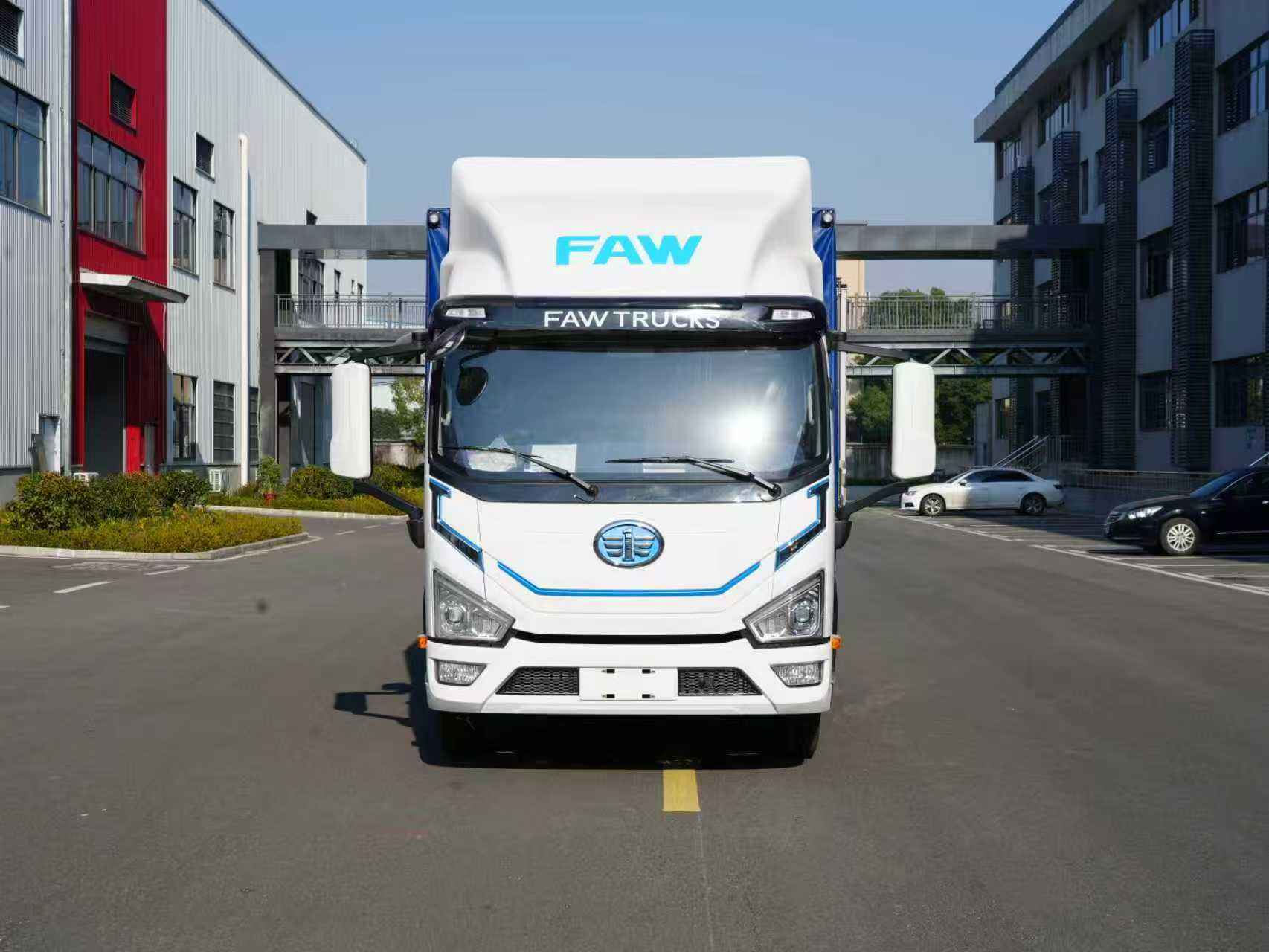
Driving the Global Frontier of Clean Energy Commercial Transport
Successfully building a heavy-duty electric vehicle that can survive the brutal demands of daily logistics requires massive manufacturing scale and deep engineering capital. FAW TRUCKS stands at the absolute pinnacle of this new energy transformation, backed by a dedicated, multi-billion dollar clean energy manufacturing ecosystem. By focusing heavily on proprietary e-axle innovations, highly integrated multi-in-one thermal management architectures, and state-of-the-art zero-carbon automated production plants, FAW TRUCKS builds electric heavy trucks that deliver rugged durability under intense operational stress.
Supported by a highly resilient clean energy component supply chain, extensive cross-industry partnerships for charging infrastructure, and localized overseas technical support networks, FAW TRUCKS provides commercial fleets around the world with a dependable, turn-key solution to transition into zero-emission logistics. For transport enterprises focused on slashing their long-term operating costs while bulletproofing their corporate compliance, this global manufacturing leader delivers the exact hardware and structural support needed to keep fleets profitable in a changing world.
Table of Contents
- Global Fleet Realignment: Why Modern Logistics Are Shifting Truck Procurement Strategies
- Demystifying the Core Technology Behind Electric Heavy Trucks
- Disrupting Total Cost of Ownership Realities in Fleet Management
- Mastering Megawatt Charging and Real Time Fleet Telematics
- Securing Corporate Contracts Through Strict Carbon Compliance
- Driving the Global Frontier of Clean Energy Commercial Transport

