
 EN
EN



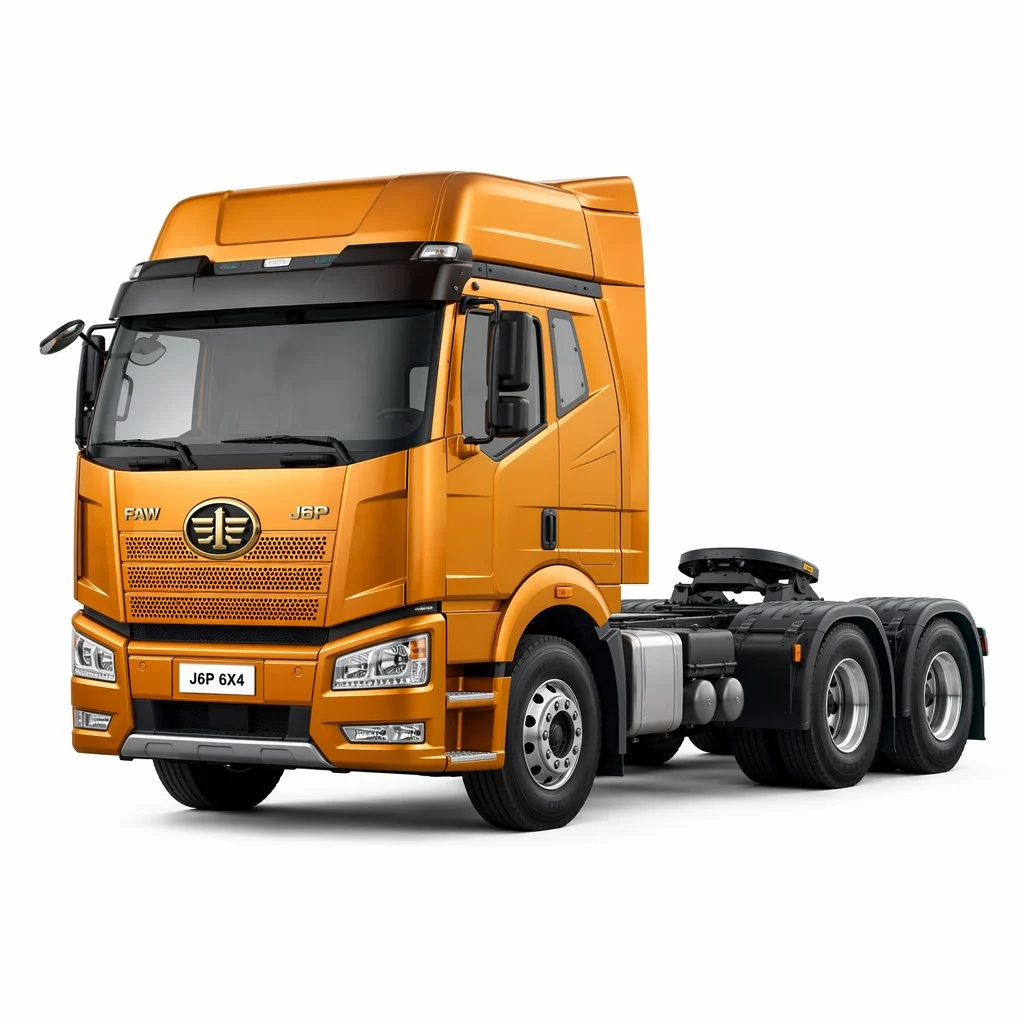
Understanding Tractor Truck Axle Configurations and Gross Vehicle Weight Ratings
When managing heavy-duty logistics or long-haul transport fleets through professional platforms like FAW Trucks International, selecting the right tractor truck is the single most critical decision impacting operational efficiency and return on investment. In my professional experience working with international logistics providers, fleet managers frequently encounter the fundamental dilemma of choosing between a 4x2 tractor truck and a heavier 6x4 tractor truck axle configuration. The primary differentiator between these two tractor truck models lies in their load capacity, traction performance, and intended operating environments. A standard 4x2 tractor truck utilizes a single driving axle, making it exceptionally nimble and fuel-efficient for regional distribution and highway transport where cargo weights remain within moderate thresholds. Conversely, an industrial 6x4 tractor truck features dual driven rear axles, designed specifically to distribute massive torque and higher gross combination weight over demanding terrain or heavy industrial payloads. Evaluating your exact cargo weight, route topography, and regulatory axle load limits is the foundational step in engineering a reliable transport operation with any chosen tractor truck model.
Performance Dynamics of 4x2 Tractor Units in Regional Logistics
For operations centered around highway transit, container shipping, and inter-city distribution where cargo masses typically do not exceed standard highway limits, the 4x2 tractor truck stands out as the optimal engineering choice. Because this specific tractor truck features fewer moving drivetrain components in the rear, mechanical resistance is significantly reduced, which directly translates into superior fuel economy and lower routine maintenance overhead. When reviewing vehicle specifications on the FAW Trucks International portfolio, each 4x2 tractor truck model is typically paired with high-efficiency diesel engines and optimized transmission ratios designed for sustained cruising speeds on paved expressways. Fleet operators benefit from a tighter turning radius and a lighter tare weight, allowing every deployed tractor truck to achieve greater payload allowance before hitting legal highway weight ceilings. However, when adverse weather strikes or when navigating unpaved logistics hubs, the single-drive axle of a standard tractor truck may experience traction limitations under steep inclines or muddy surfaces, requiring careful route planning by dispatchers overseeing the tractor truck fleet.
Heavy-Duty Capabilities of 6x4 Tractor Units for Extreme Conditions
When transport requirements scale up to massive gross combination weights, long-distance heavy haulage, or challenging off-highway construction sites, the 6x4 tractor truck becomes indispensable. Equipped with two powered rear axles, this heavy-duty tractor truck configuration delivers double the tractive effort at the wheel-to-ground interface, ensuring that heavy semi-trailers maintain forward momentum even on loose gravel, steep mountain grades, or muddy mining tracks. Industrial transport specialists utilizing FAW heavy-duty vehicle lineups rely heavily on each specialized tractor truck unit to handle extreme payloads such as bulk aggregate, heavy machinery transport, and cross-border multi-axle trailer applications. The dual-axle setup on every robust tractor truck also distributes the vertical load more evenly across four rear tires, reducing ground pressure and enhancing mechanical stability during high-speed emergency braking or tight cornering with heavy loads. While fuel consumption is marginally higher due to increased drivetrain friction, the unmatched traction and structural durability of a modern tractor truck safeguard mission-critical delivery schedules across demanding routes.
Matching Load Capacity and Operational Terrain to Your Fleet
Choosing the correct tractor truck requires a meticulous calculation of your maximum payload, gross combination weight rating (GCW), and the geographical profile of your transit routes. If your typical daily assignments involve hauling standard dry vans or refrigerated trailers weighing under forty tons across well-maintained national highways, investing in a 4x2 tractor truck model maximizes your profitability through lower fuel burn and reduced acquisition costs. On the other hand, if your operations routinely push past standard weight thresholds, traverse unpaved construction sectors, or operate in regions prone to heavy seasonal snow and rain, deploying a robust 6x4 tractor truck prevents costly delays and premature drivetrain wear. Consulting official vehicle specification datasheets from FAW Trucks International allows fleet engineers to cross-reference engine horsepower outputs, torque curves, and axle ratios against regional highway regulations to secure a flawless mechanical match for your commercial transportation business when acquiring any new tractor truck.
Long-Term Economic Impact and Strategic Fleet Investment
Ultimately, the decision between a 4x2 tractor truck and a 6x4 tractor truck shapes your long-term capital expenditure and fleet maintenance budgeting across multi-year cycles. Over-specifying a fleet with heavy dual-drive axles for light regional routes burns excess fuel and inflates initial purchasing expenses without delivering operational returns for your primary tractor truck investments. Conversely, under-specifying by deploying a light tractor truck into severe heavy-haul environments leads to premature clutch wear, differential strain, and frequent downtime that damages client relationships and inflates repair bills. By carefully auditing your historical payload weights, average haul distances, and road surface conditions, you can construct a balanced fleet that leverages the strengths of each tractor truck configuration. Partnering with established global manufacturers like FAW ensures access to robust engineering support, genuine replacement parts, and professional guidance to keep your commercial transport operations running at peak profitability through every deployed tractor truck.
Table of Contents
- Understanding Tractor Truck Axle Configurations and Gross Vehicle Weight Ratings
- Performance Dynamics of 4x2 Tractor Units in Regional Logistics
- Heavy-Duty Capabilities of 6x4 Tractor Units for Extreme Conditions
- Matching Load Capacity and Operational Terrain to Your Fleet
- Long-Term Economic Impact and Strategic Fleet Investment

