
 EN
EN



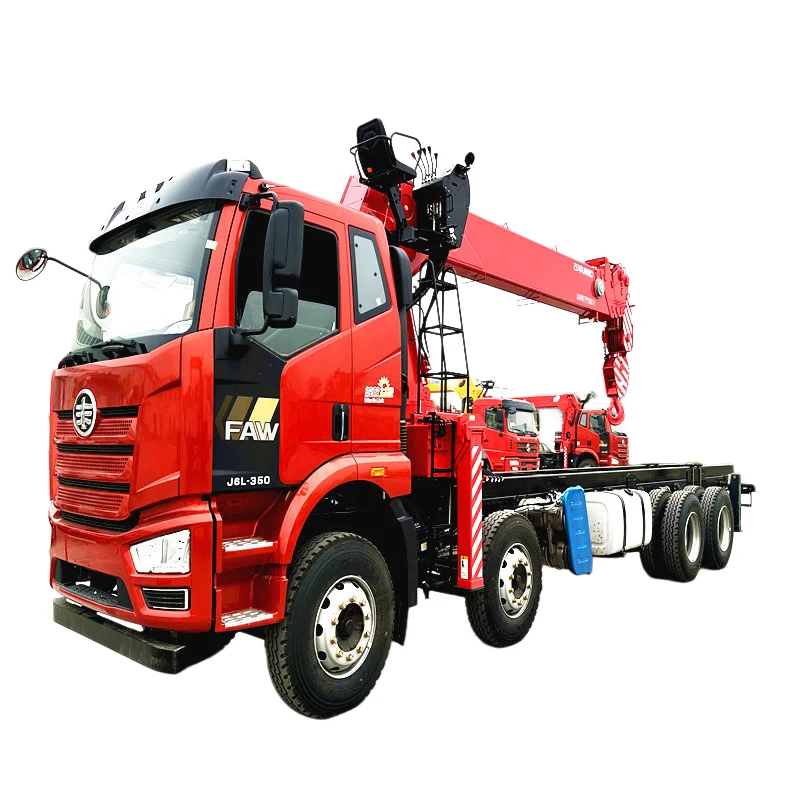
FAW Truck Manufacturing Standards and Global Commercial Excellence
When global logistics operators evaluate commercial vehicles for demanding international transport routes, understanding the underlying manufacturing rigor of every FAW truck is absolutely essential for long-term business success, brand reputation, and operational profitability across all regional sectors. In my professional experience working with heavy-duty commercial fleets across multiple continents, I have consistently observed that vehicle reliability begins long before a FAW truck ever hits the highway; it is forged directly within the highly automated production lines and rigorous quality control protocols maintained by the manufacturer. When examining heavy commercial transport solutions on the official FAW Trucks International platform, fleet buyers quickly realize that world-class durability associated with each modern FAW truck is never accidental. Instead, it is the direct result of strict metallurgical standards, advanced robotic assembly processes, and uncompromising testing procedures designed to withstand punishing conditions in real-world applications. Evaluating how these manufacturing practices translate into exceptional real-world performance helps commercial operators make informed procurement decisions that protect their capital investments and operational uptime across diverse global markets when deploying any standard FAW truck for heavy-duty freight operations.
Advanced Metallurgical Engineering and Precision Component Fabrication
The foundation of any dependable heavy commercial vehicle lies in the metallurgical composition of its chassis frame, cab structure, and drivetrain components. Within world-class production facilities, every newly produced FAW truck utilizes high-strength alloy steels specifically engineered to withstand immense torsional stress, heavy shock loads, and severe environmental corrosion during long-distance transits across challenging geographies. During the fabrication phase, automated laser cutting, robotic welding, and computer-numerical-control machining ensure that every chassis rail, structural reinforcement, and suspension bracket on every FAW truck maintains microscopic dimensional tolerances under extreme operational stress. According to heavy vehicle manufacturing standards, precise metal forming prevents localized stress concentration points that typically lead to premature fatigue cracking during demanding long-haul operations. By integrating advanced stamping technologies and strict heat-treatment protocols, production engineers ensure that each structural component on every FAW truck delivers maximum load-bearing capacity without introducing unnecessary tare weight, thereby optimizing the payload potential for commercial fleet operators worldwide.
Automated Powertrain Assembly and Drivetrain Integration
The core performance of a heavy commercial vehicle depends heavily on the seamless integration of its engine, transmission, and drive axles. Modern heavy truck manufacturing plants utilize state-of-the-art automated assembly lines where high-output diesel engines and advanced transmissions for each FAW truck are constructed under strict clean-room conditions to eliminate microscopic contaminants. Every operational FAW truck undergoes rigorous component balancing and torque calibration during powertrain integration to ensure maximum mechanical efficiency and smooth power delivery across various challenging terrains and steep gradients. Industry data indicates that maintaining strict factory tolerances during drivetrain assembly significantly reduces internal friction, lowers operating temperatures, and extends service intervals for critical components like clutches and gearboxes on every FAW truck in active service. When fleet operators deploy vehicles featuring meticulously assembled powertrains, they benefit from consistent fuel economy and reliable torque output, even when traversing steep mountain grades or operating under demanding gross combination weight conditions.
Comprehensive Quality Control and Rigorous Multi-Stage Testing Protocols
Before any commercial transport vehicle leaves the factory floor, it must undergo an exhaustive series of quality audits and performance verifications designed to simulate the harshest operating realities encountered in the field. Quality assurance protocols for every completed FAW truck incorporate multi-stage inspections, ranging from automated electronic sensor diagnostics to rigorous dynamometer testing under simulated full-load conditions. Engineers meticulously evaluate braking responsiveness, steering geometry alignment, and electrical harness integrity on each finished FAW truck to ensure absolute compliance with international safety and environmental benchmarks. This uncompromising commitment to quality control minimizes the risk of unexpected mechanical failures upon delivery, safeguarding fleet operators against costly downtime. By subjecting the chassis of every FAW truck to rigorous track testing, structural stress evaluations, and vibration simulations, manufacturers guarantee that every heavy vehicle delivered to global markets meets the highest standards of structural integrity and operational safety.
Long-Term Operational Value and Strategic Fleet Investment Strategies
Ultimately, the stringent manufacturing standards applied during vehicle production dictate the total cost of ownership and operational lifespan of your commercial fleet over multi-year operational cycles. Purchasing a low-cost vehicle that lacks rigorous manufacturing quality controls invariably leads to frequent repairs, excessive component wear, and diminished resale values that damage long-term business profitability. Conversely, investing in an engineered FAW truck built to rigorous global standards ensures dependable performance, lower maintenance overhead, and extended service intervals across multi-year operating cycles. By analyzing manufacturer specifications, material certifications, and testing transparency, fleet managers can secure resilient commercial transport assets that perform reliably under intense operational pressure. Partnering with established global manufacturers ensures that your transport operations remain competitive, safe, and highly profitable across every international route you manage with your primary FAW truck investments.
Table of Contents
- FAW Truck Manufacturing Standards and Global Commercial Excellence
- Advanced Metallurgical Engineering and Precision Component Fabrication
- Automated Powertrain Assembly and Drivetrain Integration
- Comprehensive Quality Control and Rigorous Multi-Stage Testing Protocols
- Long-Term Operational Value and Strategic Fleet Investment Strategies

