
 EN
EN



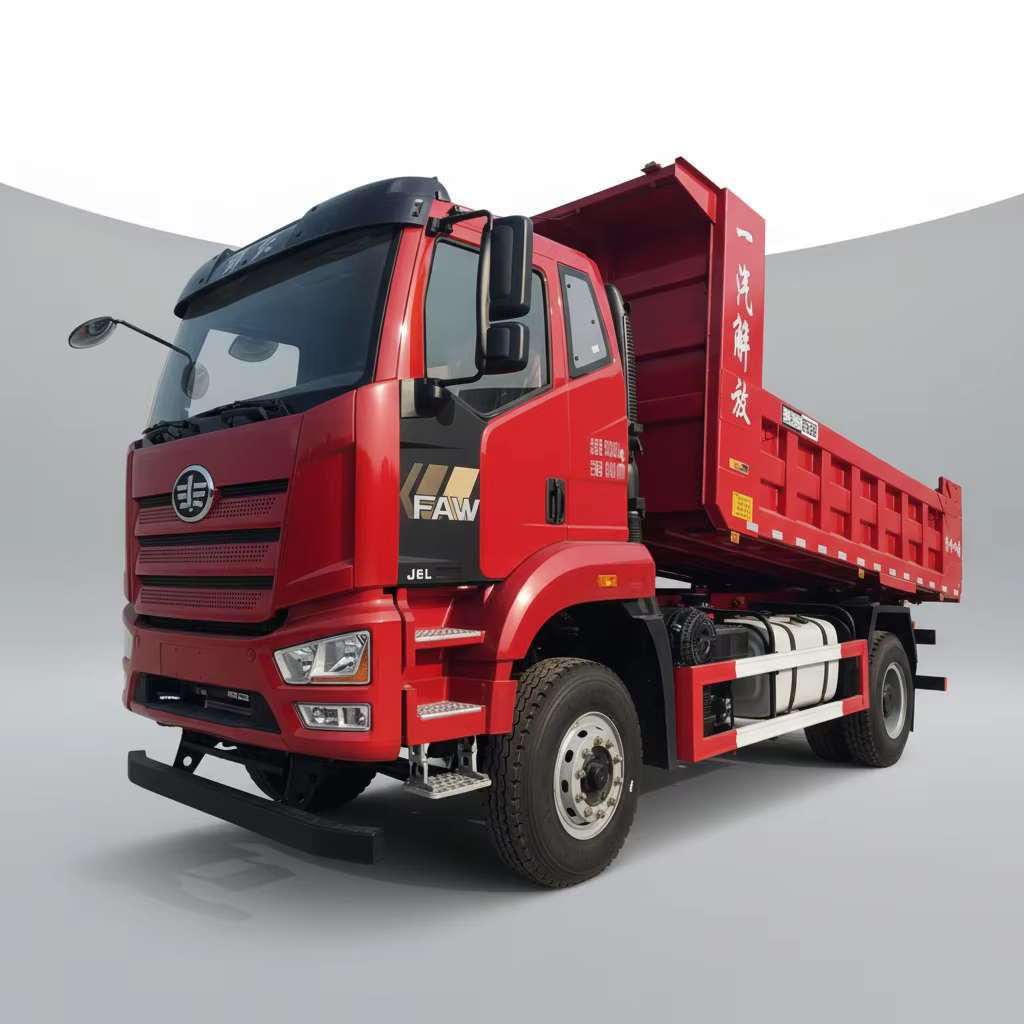
The Evolving Global Landscape of Heavy-Duty Trucks
For decades, the global heavy-duty truck market was dominated by traditional European and American manufacturers. These legacy brands established a strong reputation for durability and engineering refinement, setting the standard for the industry. However, the dynamics of the global freight and logistics sector have shifted dramatically in recent years. Chinese heavy-duty trucks have emerged as a formidable force, transitioning from cost-effective alternatives to technologically advanced contenders. This transformation is driven by intense R&D investment, modernized manufacturing facilities, and a deep understanding of the diverse requirements of emerging markets. For fleet owners and procurement managers, the decision-making process is no longer binary; it now requires a nuanced evaluation of performance, value, and long-term strategic fit. As global supply chains grow more complex, the ability to source vehicles that offer a balance of reliability and affordability becomes a primary determinant of business success.
Performance and Engineering: Closing the Technical Gap
One of the most persistent myths in the commercial vehicle industry is the perceived performance gap between Chinese and Western-made trucks. Historically, Western trucks held the edge in high-end electronic integration and powertrain sophistication. Today, that gap has largely evaporated. Leading Chinese manufacturers now partner with world-class component suppliers for engines, transmissions, and axles, ensuring that their trucks deliver comparable power, torque, and fuel efficiency. In professional site audits and fleet performance reviews, the latest generation of Chinese heavy-duty trucks demonstrates remarkable reliability in diverse operational environments. By utilizing advanced manufacturing techniques, intelligent vehicle diagnostic systems, and rigorous quality control protocols, these vehicles offer power-to-weight ratios that perform exceptionally well against their Western counterparts, even in high-load, heavy-duty applications. Furthermore, the integration of ADAS and other safety-focused electronics ensures that these trucks meet the stringent safety standards expected by international logistics companies.
The Total Cost of Ownership: An Economic Reality Check
When comparing European and American trucks with Chinese equivalents, the conversation inevitably centers on the Total Cost of Ownership (TCO). Western brands have traditionally commanded a premium price point, justified by their perceived longevity and brand prestige. Conversely, Chinese trucks excel by providing an aggressive initial purchase price without sacrificing operational integrity. This economic advantage is particularly attractive for logistics companies aiming to scale their fleets rapidly or operate in regions where capital expenditure must be tightly managed. However, value is not just about the upfront cost; it is about the sustained profitability over the vehicle's lifespan. The efficiency of modern Chinese trucks, combined with lower maintenance and repair costs, provides a compelling financial case for fleet operators to maximize their return on investment. With tighter profit margins in the global logistics sector, the ability to lower operational expenses through smarter vehicle sourcing is a key competitive differentiator.
Customization and Versatility for Global Infrastructure
Western truck manufacturers often adopt a "one-size-fits-all" approach, which can sometimes lead to inefficiencies when these vehicles are deployed in emerging markets with unique infrastructure challenges. Chinese truck makers, by contrast, are renowned for their agility and ability to customize configurations. Whether it is engineering vehicles for extreme desert heat, high-altitude mountain passes, or harsh tropical humidity, the level of customization available is a significant differentiator. These trucks are frequently engineered with modular designs that facilitate easier field repairs, a vital necessity for operators working far from urban service centers. This flexibility allows fleet managers to match the vehicle’s specifications precisely to their operational environment, reducing premature wear and enhancing the overall performance of the fleet. By tailoring the drivetrain, cooling systems, and cabin comfort to specific regional demands, Chinese manufacturers demonstrate a proactive approach to solving real-world logistical problems.
The After-Sales Advantage: Building Global Service Networks
A truck is only as good as the support network behind it. Historically, the global service presence of Western brands gave them a significant advantage. Yet, the current landscape is changing rapidly as major players ramp up their investment in international service infrastructure. Manufacturers now prioritize the creation of comprehensive, localized service centers and regional parts warehouses. By investing heavily in technical training for local technicians, these brands ensure that service is prompt and reliable. This focus on after-sales infrastructure effectively bridges the gap, allowing fleet owners to operate with the same confidence in parts availability and technical support as they would with a legacy brand. The focus has moved from just selling a machine to providing a complete logistics solution that encompasses digital fleet management, real-time diagnostics, and on-demand technical guidance, all aimed at maximizing operational uptime.
Strategic Partnership with FAW Trucks
As the industry continues to evolve, selecting a manufacturing partner goes beyond comparing technical specs; it is about identifying a partner that understands the realities of modern global commerce. With over 70 years of manufacturing expertise, FAW Trucks has built a legacy that combines traditional engineering strength with a forward-looking commitment to intelligent vehicle technology. Their approach emphasizes adaptability, ensuring that every truck produced can meet the rigorous demands of global operations. By integrating high-performance power units with a deep-rooted, global supply chain, the brand provides the durability that fleet operators require. Partnering with a manufacturer like FAW Trucks allows businesses to leverage this technological depth and service excellence, turning a vehicle purchase into a long-term strategic asset that ensures operational continuity and competitive advantage in a fast-paced market.
Table of Contents
- The Evolving Global Landscape of Heavy-Duty Trucks
- Performance and Engineering: Closing the Technical Gap
- The Total Cost of Ownership: An Economic Reality Check
- Customization and Versatility for Global Infrastructure
- The After-Sales Advantage: Building Global Service Networks
- Strategic Partnership with FAW Trucks

