
 EN



The Critical Role of Compliance in Hazardous Material Transport
In the complex landscape of international logistics, moving volatile liquids, industrial chemicals, and hazardous substances demands an uncompromising commitment to safety, operational precision, and strict regulatory adherence. Fleet operators and dangerous goods managers know intimately that a single regulatory oversight or structural breach can trigger catastrophic environmental and financial repercussions across borders. True operational profitability in this specialized sector relies not only on fuel efficiency, but fundamentally on total vehicle compliance and robust structural integrity. A specialized tanker engineered to handle hazardous cargo safely across diverse international territories transforms high-risk transport into a reliable, streamlined commercial operation. Achieving this elite level of security requires a careful harmonization of advanced vessel metallurgy, active safety electronics, and stringent global certifications. Drawing from extensive specialized commercial vehicle manufacturing insight, understanding the underlying factors that dictate hazardous truck compliance enables fleet owners to protect their operators, safeguard local communities, and maximize return on investment across competitive international markets.
Advanced Tanker Engineering and Material Integrity
At the core of any safe fuel or hazardous material truck lies the structural design of the tank vessel and the surrounding chassis architecture. Modern hazardous vehicle engineering utilizes high-tensile carbon steels or specialized stainless steel alloys designed specifically to resist corrosive chemical reactions and absorb dynamic fluid forces during transit. Internal anti-surge baffles are precisely positioned inside the vessel to minimize liquid sloshing, ensuring vehicle stability during sharp cornering or sudden emergency braking maneuvers on busy highways. Industry benchmarking and structural stress analyses consistently demonstrate that tanks engineered with precision welding techniques and rigorous pressure-testing protocols suffer significantly less fatigue over millions of high-stress miles. Automotive manufacturing research published by dangerous goods authorities highlights that material purity and strict non-destructive testing serve as primary determinants of structural containment safety. By integrating state-of-the-art vessel manufacturing, global brands can drastically reduce leakage risks, ensuring that the mechanical core remains completely secure even under severe operating conditions.
Active Safety Systems and Hazard Mitigation in the Field
While superior structural fabrication establishes the baseline for safety, on-road active safety systems and intelligent electronic controls dictate how well a truck manages unpredictable driving environments. Fleet safety specialists with extensive hands-on experience across cross-continental hazardous logistics corridors emphasize that accident prevention relies heavily on integrated electronic architecture. Modern hazardous material trucks incorporate advanced anti-lock braking systems, electronic stability control, and intelligent retarder systems to maintain complete vehicle control on slick highways or steep mountain passes. Furthermore, emergency shut-off valves, spark-arresting exhaust systems, and static-dissipating grounding reels provide vital secondary layers of protection during loading and unloading operations. Implementing disciplined safety protocols alongside factory-equipped electronic safeguards ensures that potential ignition sources or mechanical failures are neutralized before compounding into major safety incidents on the road.
Navigating International Certifications and Regulatory Frameworks
Hazardous material transport is governed by some of the most rigorous regulatory frameworks in the global automotive industry, including European agreements, international United Nations standards, and localized environmental compliance codes. Commercial trucks configured for fuel and chemical delivery rarely operate under domestic rules alone; instead, they must seamlessly cross regional borders meeting diverse legal mandates. To conquer these challenges, leading commercial vehicle designers subject tank assemblies and chassis configurations to rigorous pressure trials, drop-impact simulations, and fire-resistance certifications. Global logistics authorities and transport ministries highlight that possessing recognized international certifications is a non-negotiable prerequisite for entering high-value supply chains. Trucks equipped with certified vapor recovery systems, emergency escape hatches, and tamper-proof locking mechanisms consistently outperform standard configurations in regulatory audits, proving that proactive compliance remains the absolute cornerstone of modern hazardous logistics.
Total Cost of Ownership and Long-Term Commercial Reliability
Evaluating hazardous material truck investment extends beyond initial safety compliance into the realm of long-term financial sustainability and supply chain reliability. Fleet operators must weigh initial acquisition costs against ongoing operational expenditures, factoring in maintenance frequency, regulatory inspection pass rates, and residual resale value. A fully compliant, durable tanker minimizes unexpected downtime, reduces administrative burdens associated with regulatory penalties, and maintains higher residual value after years of heavy service. Furthermore, transparency in parts sourcing and global supply chain responsiveness serve as vital trust indicators for international fuel distributors and chemical companies. When fleet operators gain immediate access to certified original equipment replacement parts and specialized technical support, vehicle availability rises to maximum levels. This transparent, value-driven ecosystem reinforces trust between manufacturers and fleet operators, validating that engineered safety directly translates to sustainable business profitability.
Setting Global Standards with FAW Trucks
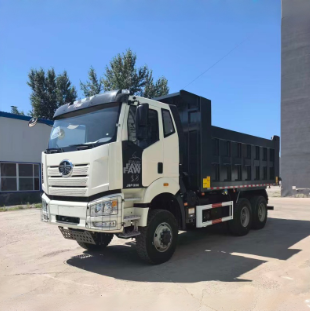
Ultimately, deploying a reliable and fully compliant hazardous material truck requires a synergistic partnership between cutting-edge manufacturing excellence and disciplined engineering management. As global supply chains demand higher safety standards, emission reduction trajectories, and unwavering reliability, commercial vehicle manufacturers must continually push the boundaries of research, development, and regulatory compliance. Drawing upon extensive world-class manufacturing heritage, state-of-the-art production facilities, and a robust global supply chain network, FAW Trucks remains deeply committed to delivering specialized commercial vehicles engineered for exceptional safety, regulatory compliance, and operational performance. By combining precision metallurgy, advanced active safety systems, and comprehensive international certifications, FAW Trucks empowers global fleet operators to navigate the most sensitive and demanding hazardous logistics landscapes with absolute confidence, driving sustainable growth for the worldwide energy and chemical transport industries.
Table of Contents
- The Critical Role of Compliance in Hazardous Material Transport
- Advanced Tanker Engineering and Material Integrity
- Active Safety Systems and Hazard Mitigation in the Field
- Navigating International Certifications and Regulatory Frameworks
- Total Cost of Ownership and Long-Term Commercial Reliability
- Setting Global Standards with FAW Trucks

