
 EN
EN



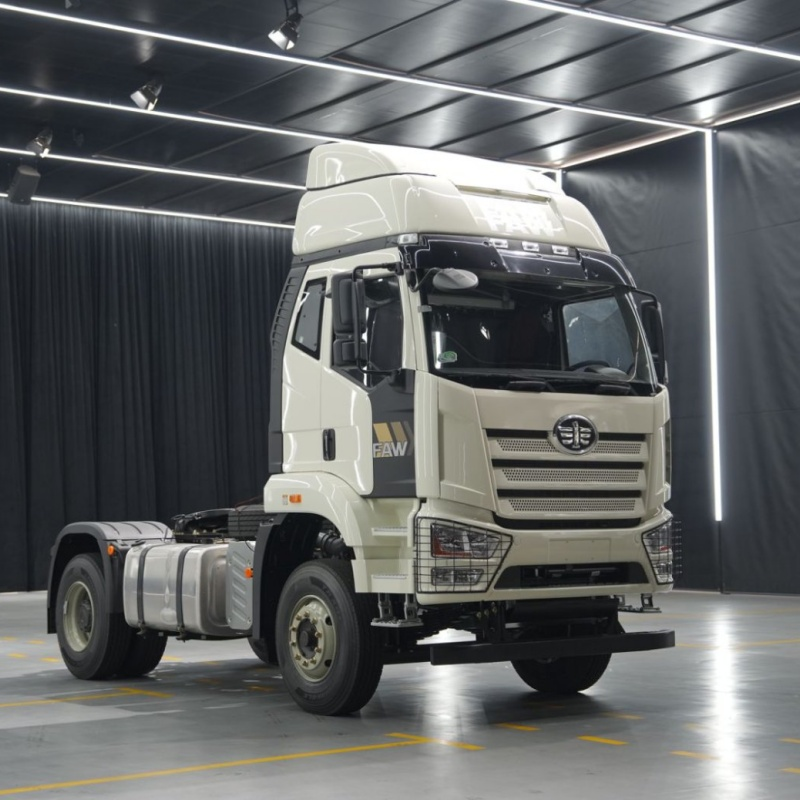
بھاری ٹرک فلیٹس (ڈمپ، مکسر، ٹریکٹر) کے لیے معیاری روزانہ دیکھ بھال
سخت تعمیراتی ماحول میں 42% روکی جا سکنے والی خرابیوں کی وجہ روزانہ کے چیکس کا نہ کرنا کیوں ہے
روزانہ کے معائنے کو چھوڑنا تعمیراتی مقامات پر روکے جانے والے خرابیوں کا سب سے بڑا باعث ہے—جو ڈمپ ٹرکس، کنکریٹ مکسرز اور بھاری مشینری کے ٹریکٹرز کے 42 فیصد ایسے ناکام ہونے کا ذمہ دار ہے۔ دھول، ریت اور غیر یکساں زمین جیسے سخت ماحول میں، چھوٹی سی غفلتیں تیزی سے بڑھ جاتی ہیں: ڈمپ باڈی میں ہائیڈرولک فلیوڈ کا کم ہونا، مکسر پر بریک لائننگز کا پہن جانا، یا ٹریکٹر کے ٹائرز کا پھٹ جانا—یہ تمام مسائل غیر نوٹس کیے جانے کی صورت میں آپریشن کے درمیان ناکامی کا باعث بن سکتے ہیں۔ مکسرز میں آلودہ پانی کے نظام یا ڈمپ باڈی میں ڈھیلے لنکیج پن ویسے ہی خطرناک ناکامی کا شکار ہو سکتے ہیں اگر ان کا وقت پر معائنہ نہ کیا جائے۔ روزانہ کے پری ٹرپ چیک لسٹس سب سے اہم اور پہلی لائن کی حفاظتی تدابیر ہیں—جو ان مسائل کو اس سے پہلے پکڑ لیتے ہیں کہ وہ حفاظتی خطرات یا مہنگی ٹھہراؤ کی صورت اختیار کر لیں۔
ڈاٹ-مطابق ڈیجیٹل ڈی وی آئی آر چیک لسٹس: مختلف قسم کی بھاری ٹرکس کے لیے معائنے کو آسان بنانا
ڈرائیور گاڑی کے معائنہ رپورٹس (DVIR) کو ڈیجیٹائز کرنا معائنہ کی سازگاری، مطابقت اور فلیٹ کی جواب دہی کو نمایاں طور پر بہتر بناتا ہے۔ بادل-مبني، DOT-کے مطابق ڈیجیٹل چیک لسٹس مختلف قسم کے فلیٹس میں معیاری طریقوں کو یکسان بناتی ہیں جبکہ گاڑی کے مخصوص تقاضوں کے مطابق اپنے آپ کو ڈھال لیتی ہیں—یہ یقینی بناتے ہوئے کہ ہر ڈرائیور اپنے سامان کے لیے درست مراحل پر عمل کرتا ہے۔ مثال کے طور پر:
- ڈمپ ٹرک : ہائیڈرولک سلنڈر سیلز، باڈی پویوٹ کی مضبوطی، اور ٹیل گیٹ لاچ کے کام کو مرکوز کریں
- مکسیروں : ڈرم کے گھومنے کی ہمواری، پانی کے نظام کا دباؤ، اور چیوٹ کی ترتیب کو ترجیح دیں
- ٹریکٹرز : فیفٹھ وہیل کی حالت، ایئر بریک کے ردعمل، اور روشنی کے افعال پر زور دیں
یہ نظام خود بخود نقص کو نشان زد کرتا ہے، وقت کے ساتھ مہر شدہ سروس ریکارڈز تیار کرتا ہے، اور فوری طور پر رکھ روبہ کی ٹیموں کو آگاہ کرتا ہے—جس سے اوسط معائنہ کا وقت 35% تک کم ہو جاتا ہے اور نقص کی دریافت کی شرح میں بہتری آتی ہے۔ حقیقی وقت کی نظارت فلیٹ کے منیجرز کو فعال طور پر کارروائی کرنے کا اختیار دیتی ہے، جس سے سڑک کے کنارے ناکامی کے خطرے کو کم کیا جا سکتا ہے اور قانونی آڈٹس کی حمایت کے لیے ٹریس ایبل اور دفاعی ڈیٹا فراہم کیا جا سکتا ہے۔
بھاری ٹرک کے اخراجات کو کنٹرول کرنے کے لیے وقایتی رکھ راسٹ کا نظام اور استعمال کے تجزیے
ردِ عملی مرمت سے پیشگوئانہ اخراجات کے ماڈل کی طرف: گھنٹہ وار استعمال اور وقایتی رکھ راسٹ کی پابندی کے اعداد و شمار کو استعمال کرتے ہوئے
ری ایکٹیو مرمتیں منافع کو کھاتی ہیں—خاص طور پر جب وہ قابلِ تلافی ہوں۔ ایک بار نظرانداز کردہ آئل تبدیلی یا لُبریکیشن کا دورہ انجن کی $15,000 کی دوبارہ تعمیر کا سلسلہ شروع کر سکتا ہے، جبکہ روزمرہ کی مرمت عام طور پر 200 ڈالر سے کم لاگت کی ہوتی ہے۔ گھنٹہ وار استعمال کے اعدادوشمار کو روک تھامی مرمت (PM) کی پابندی کے اعدادوشمار کے ساتھ منسلک کرکے، فلیٹ مینیجرز کو خرابیوں کے بعد ردِ عمل دینے سے ہٹ کر ان کی پیشگوئی کرنے کی صلاحیت حاصل ہوتی ہے۔ انجن کے گھنٹوں کی نگرانی، سروس کے تاریخچہ اور اجزاء کے پہناؤ کے نمونوں کے ساتھ مل کر توقعاتی ماڈلنگ کو ممکن بناتی ہے جو خرابی سے پہلے ہی زیادہ خطرناک اثاثوں کی نشاندہی کرتی ہے۔ صنعتی معیارات کے مطابق، منصوبہ بند مرمت ایمرجنسی مرمت کے مقابلے میں سرمایہ کاری پر 5:1 کا منافع فراہم کرتی ہے—اور مجموعی مرمت کی لاگت میں تکقریباً 40% تک کمی لاتی ہے۔ یہ منتقلی مرمت کو ایک ری ایکٹیو اخراج سے ایک حکمت عملی کارکردگی میں تبدیل کر دیتی ہے جو غیر منصوبہ بند ڈاؤن ٹائم کو کم سے کم کرتی ہے اور آپریشنل بجٹ کو مستحکم بناتی ہے۔
فی گھنٹہ لاگت کا موازنہ: مرمت کے شیڈول کو معاشی عمر کے فیصلوں کے ساتھ ہم آہنگ کرنا
صرف میلیج کا انحصار بھاری ٹرکوں کے بیڑے میں بہترین سروس یا تبدیلی کے وقت کا تعین کرنے کے لیے کافی نہیں ہوتا۔ فی گھنٹہ لاگت (CPH) کا موازنہ—جو کہ کل آپریٹنگ لاگت (ایفیول، ٹائرز، پارٹس، لیبر، ڈیپری ایشن) کو درحقیقت استعمال ہونے والے انجن کے گھنٹوں سے تقسیم کرکے حاصل کیا جاتا ہے—ہر اثاثے کے حقیقی معیشتی زندگی کے دوران کو ظاہر کرتا ہے۔ مثال کے طور پر، ایک مکسر جو سالانہ 2,000 گھنٹے چلتا ہے، اس کی منافع کی واپسی کم ہونا شروع ہو سکتی ہے جب CPH 75 ڈالر فی گھنٹہ سے تجاوز کر جائے، جو ڈرائیو ٹرین کے خطرے میں اضافے اور منافع کی واپسی (ROI) میں کمی کی علامت ہوتی ہے۔ CPH کے رجحانات کے مطابق وقفہ وار دیکھ بھال (PM) کے وقفوں کو ہم آہنگ کرنا نہ صرف پرانی گاڑیوں کی ضرورت سے زیادہ دیکھ بھال کو روکتا ہے بلکہ زیادہ استعمال ہونے والی گاڑیوں کی کم دیکھ بھال کو بھی روکتا ہے۔ امریکی ٹرکنگ ایسوسی ایشنز کے مطابق، پیشگیانہ دیکھ بھال بریک ڈاؤن کی تعدد کو تقریباً 20 فیصد تک کم کر دیتی ہے۔ جب اسے استعمال کی تجزیات کے ساتھ جوڑا جاتا ہے تو CPH محض ایک پیمانہ نہیں رہتا بلکہ فیصلہ سازی کا ایک اہم ذریعہ بن جاتا ہے—جو سرمایہ کی تخصیص، ٹریڈ ان کے وقت اور سروس کی حکمت عملی کی رہنمائی کرتا ہے۔
کنسٹرکشن میں استعمال ہونے والے اپ فِٹڈ بھاری ٹرکوں کے لیے ماہر دیکھ بھال کی حکمت عملیاں
مکسر ڈرم ہائیڈرولکس، فیفٹھ وہیل لُبریکیشن، اور ڈمپ باڈی لنکیجز: سسٹم کے مخصوص روزانہ دیکھ بھال کے طریقہ کار
اپ فِٹ کردہ اجزاء نئے قسم کے خرابی کے اصول پیش کرتے ہیں جنہیں عمومی دیکھ بھال کے شیڈول میں نظرانداز کر دیا جاتا ہے۔ مکسر ڈرم ہائیڈرولکس کے لیے ماہانہ دباؤ کے ٹیسٹ اور ہوس کی بصری سالمیت کی جانچ ضروری ہے—کسی بھی ڈھالنے کے دوران دراڑ والی لائنز کانکریٹ کی ترسیل روک سکتی ہیں اور معاہدہ کے تحت جرمانوں کا باعث بن سکتی ہیں۔ فیفٹھ وہیل اسمبلیز کے لیے منظم گریس کے ریکارڈ رکھنا ضروری ہے؛ غیر کافی لُبریکیشن بادشاہی پن (کنگ پن) کی پہننے کی شرح بڑھا دیتی ہے اور ٹریلر کو جوڑتے وقت انسلکشن کے خطرے کو بڑھا دیتی ہے۔ ڈمپ باڈی لنکیجز کی جانچ ہر 250 انجن گھنٹوں کے بعد گھُماؤ کے نقاط پر کرنی چاہیے تاکہ غیر متوازن ہونے کی وجہ سے سلنڈر پر دباؤ اور فریم کی جلدی تھکاوٹ کو روکا جا سکے۔ فلیٹ کے موازنہ کے مطابق، ان سسٹم کے مخصوص روزانہ دیکھ بھال کے طریقوں کو معیاری انداز میں نافذ کرنا اجزاء کی عمر 37% تک بڑھا دیتا ہے اور اپ فِٹ سے متعلقہ خرابیوں کی وجہ سے غیر منصوبہ بند طور پر گاڑیوں کے بند ہونے کے واقعات کو کم کر دیتا ہے۔
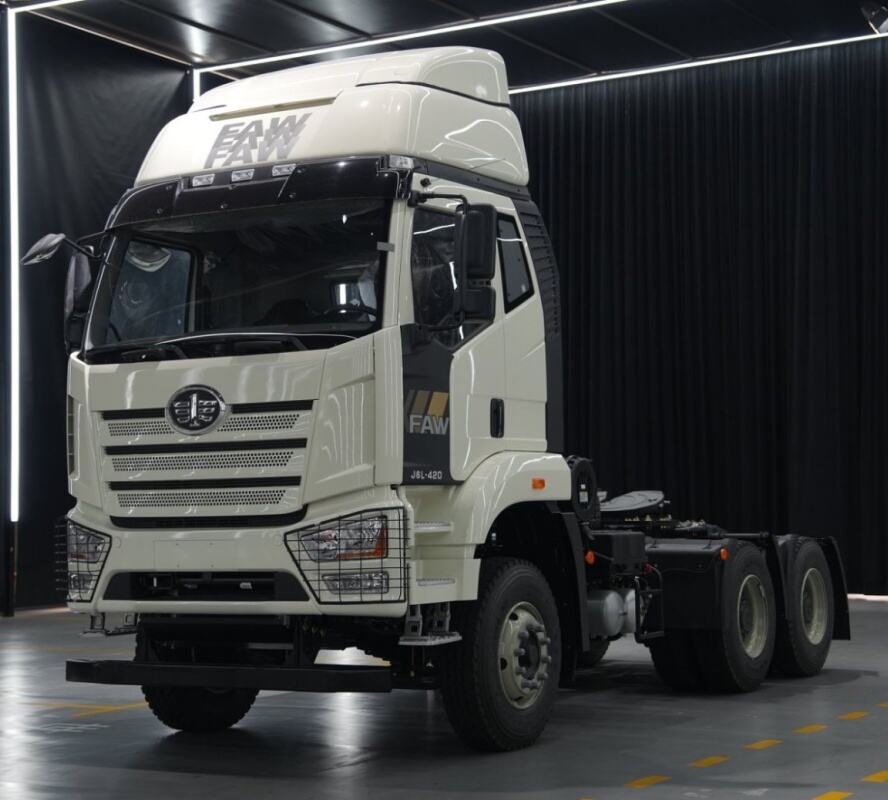
حالت پر مبنی بھاری ٹرک کی دیکھ بھال کے ذریعے ایندھن کی کارکردگی میں بہتری اور آئیڈل ٹائم میں کمی
حالت پر مبنی رکھ راستہ (کنڈیشن بیسڈ مینٹیننس) حقیقی وقت کے ٹیلی میٹکس اور اوریجنل ایکوئپمنٹ مینوفیکچرر (OEM) کے معیار کے سینسر ڈیٹا کا استعمال کرتا ہے—کیلنڈر کے وقت یا مائلیج کی بجائے—صرف اس صورت میں مداخلت کو فعال کرتا ہے جب کارکردگی کے اہم حدود سے تجاوز کیا جاتا ہے۔ یہ درست طریقہ تعمیراتی فلیٹس میں سب سے بڑے ایندھن کے ضائع کن عوامل پر حملہ کرتا ہے: کم دباؤ والے ٹائر (جو رولنگ ریزسٹنس کو 6 فیصد تک بڑھا دیتے ہیں)، بند ہوا کے فلٹرز (جو انجن کو زیادہ محنت کرنے پر مجبور کرتے ہیں)، اور خراب ہیدرولک فلوئڈ (جو پاور ٹرین کی کارکردگی کو کم کر دیتا ہے)۔ اسی دوران، ٹیلی میٹکس پلیٹ فارمز آئیڈل واقعات کی نگرانی کرتے ہیں اور سپروائزرز کو مستقل آئیڈل حالت کے الگورتھم کے بارے میں اطلاع دیتے ہیں۔ حالت پر مبنی ٹیون اپس—جیسے فلٹرز کی تبدیلی یا انجیکٹر کی صفائی—کو خودکار آئیڈل شٹ ڈاؤن کی پالیسیوں کے ساتھ ضم کرنا فلیٹس کو سالانہ ایندھن کی کھپت کو 10 سے 15 فیصد تک کم کرنے میں مدد دیتا ہے، جبکہ یہ یقینی بناتا ہے کہ ٹرکس غیر ضروری رکھ راستہ کے دورے کے بغیر آپریشنل طور پر تیار رہیں۔
موضوعات کی فہرست
- بھاری ٹرک فلیٹس (ڈمپ، مکسر، ٹریکٹر) کے لیے معیاری روزانہ دیکھ بھال
- بھاری ٹرک کے اخراجات کو کنٹرول کرنے کے لیے وقایتی رکھ راسٹ کا نظام اور استعمال کے تجزیے
- کنسٹرکشن میں استعمال ہونے والے اپ فِٹڈ بھاری ٹرکوں کے لیے ماہر دیکھ بھال کی حکمت عملیاں
- حالت پر مبنی بھاری ٹرک کی دیکھ بھال کے ذریعے ایندھن کی کارکردگی میں بہتری اور آئیڈل ٹائم میں کمی

