
 EN
EN



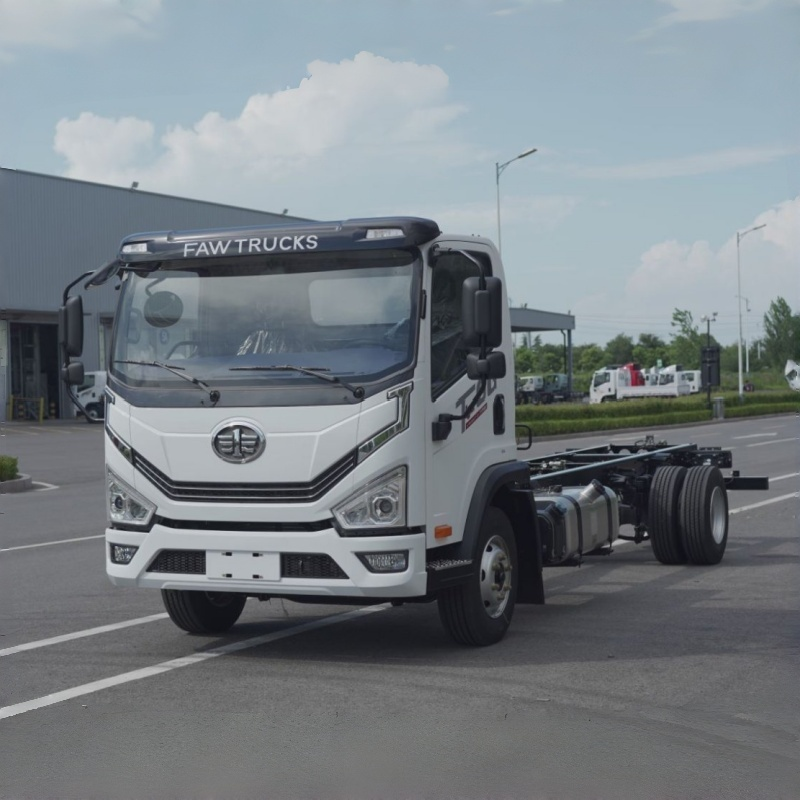
Staakliggaamontwerp vir Maklike Laai en Veelsoortige Goodsbehandseling
Toeganklikheid vanaf alle kante en lae instapdekhoogte vir doeltreffende laai op boerderye en werfplekke
Die oop drie-sydige toegang tot die stangkaros—links, regs en agter—stel buigsame, doeltreffende laaiing sonder herposisionering van die voertuig moontlik. Werknemers of toerusting soos heftrucke kan vanaf die optimale hoek nader, wat bottelnekke tydens hoë-volume bedrywighede elimineer. In kombinasie met ’n lae dekhoogte verminder hierdie ontwerp aansienlik die vertikale ligtingsinspanning vir swaar of groot items—soos bemestingsakkies, houtbondels of staalwapening—wat fisiese spanning en die risiko van bewegingsorgaanbeserings verminder. Op boerderye en bouwerwe, waar arbeid en tyd beperk is, ondersteun hierdie konfigurasie ’n voortdurende materiaalvloei sonder dat daar op rante, dokverewigers of aanvullende hanteringstoerusting staatgemaak moet word. Of dit nou sakgrane, paletgestapelde bakstene of los grondstof is wat verskuif word, verbeter die samewerkingsverhouding tussen onbelemmerde toegang en minimale ligthoogte direk bedryfsdoeltreffendheid.
Modulêre Stangstelsel Pas Naadloos Aan by Massagewasse, Hout en Staalbalke
Die modulêre spykerstelsel bied werklike missie-aanpasbaarheid: spykers is volkome verwyderbaar of verstelbaar om aan die ladingsgeometrie en bevestigingsbehoeftes te voldoen. Vir oormaat- of onreëlmatige ladings—soos hooibale, graankombers, of voorvervaardigde heining—word die laaivlak onmiddellik na ‘n oop platlaai omskep. Wanneer houtstamme of staalbalke vervoer word, bly die spykers op hul plekke om sywaartse beperking te verskaf; die verwydering van die voorste spykers maak veilige oorhang vir lang strukturele elemente moontlik. Vir digte, stapelbare materiale soos betonblokkies help korrek gespasieerde spykers om die ladingsintegriteit tydens versnelling en remming te handhaaf. Herkonfigurasie vereis minimale gereedskap en neem net minute ter plase—wat dit moontlik maak dat een vragmotoroggend heiningpalissade lewer en middagpallette met sement vervoer. Hierdie veelvoudigheid stroomlyn vlootvereistes en verbeter batesbenutting in landbou- en konstruksiewerkvelde.
Vragmotorprestasie op landbou- en konstruksieplekke
Gebou vir gemengde-terrein vereistes, kombineer die lasvoertuig hoë-koppel kraglewering met vierwielaandrywing en 'n grondverligting van meer as 300 mm—'n sleutelkenmerk vir die handhawing van aandrywing en die voorkoming van onderkantbeskadiging op modderige velde, gruisparkeerareas of werfplekke wat vol rommel is. Sy ophanging is afgestel om skerp impak te absorbeer terwyl dekstabiliteit behou word, wat noodsaaklik is wanneer dit kwesbare of presisie-gevoelige lading soos sakgemaakte bemesting of voor-geassambleerde staalbalke vervoer. Op gepaaide paaie handhaaf die voertuig snelhede op snelweë met geoptimaliseerde brandstofdoeltreffendheid, wat naadlose oorgange tussen plattelandse vervoer en stedelike aflewerings ondersteun. Die versterkte onderstel is ontwerp vir herhaalde laai-siklusse sonder buiging of vervorming—wat langtermyn strukturele integriteit en konsekwente prestasie in daaglikse werfbedrywighede verseker.
Gewigsverspreiding en Stabiliteit: Waarborg veilige vervoer op plattelandse en stedelike paaie
Stabiliteit begin met doelbewuste lasplasing. Ge-konsentreerde gewig skuif die swaartepunt opwaarts en sywaarts, wat die omslaan-risiko verhoog—veral tydens draaie op sagte skouers, ongelyke boerderypaaie of nou stadshoeke. Die gelyke verspreiding van vragsaad oor die lengte en breedte behou die ophanging se reaksie gebalanseerd en maksimeer die bandkontakoppervlak, wat beide stuurvoorspelbaarheid en remprestasie verbeter. Byvoorbeeld, die stapeling van bemestings sakke in 'n roosterpatroon—nie hoog agterop nie—minimeer pyp en swaai oor putte of groewe. In stedelike omgewings verminder behoorlike verspreiding ook lasverskuiwing tydens skielike stoppe. Wanneer dit gekombineer word met toepaslike vasmaak, verseker gelyke gewigplasing dat die vragmotor beheerbaar, wetsgeldige en veilig bly oor die volle spektrum van padtoestande—van ge-groefde landelike ingange tot veelbaan hoofstrate.
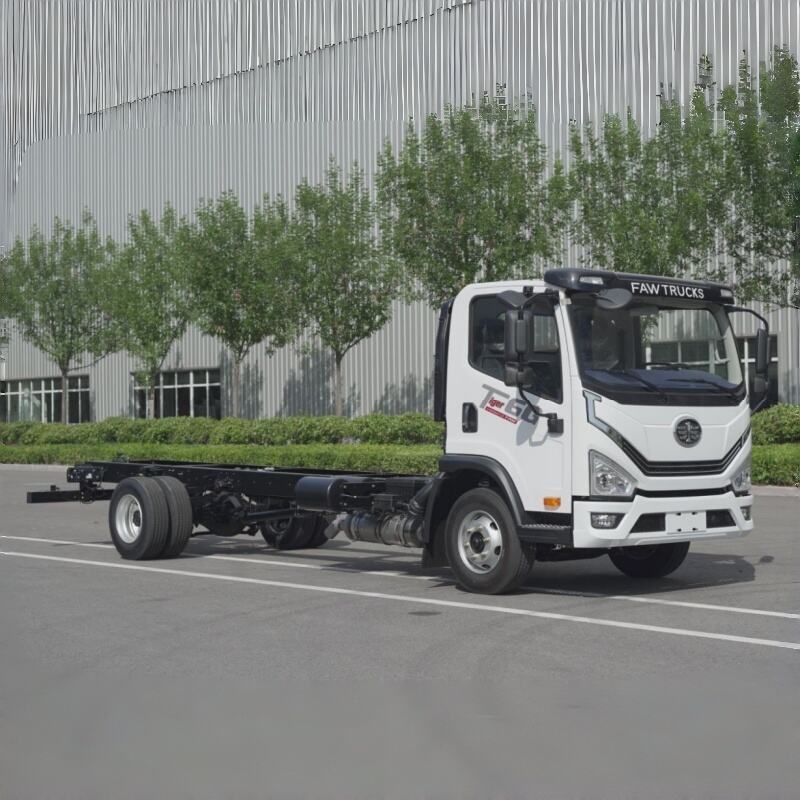
Wetsgeldige Lasvasmaak- en Veiligheidspraktyke vir die FAW Vragspoor
Bandjies, Seile en Kettings: GB 1589-2016–Wetsgeldige Beperkingsmetodes
Laai-veiligstelling op die FAW-goodsvoertuig moet ooreenstem met China se nasionale standaard GB 1589-2016, wat minimum prestasievereistes vir beheerstelsels spesifiseer. Vir landbouprodukte soos massagewasse of hooibale word hoë-spanningspoliesterbande—met ‘n nominaal kapasiteit van ten minste 1,5× die totale gewig van die laai—aanbeveel om skuifbeweging op ongelyke terrein te weerstaan. Swaarlastvervoerkettinge met hefboomklemme verskaf stywe immobilisering vir staalbalke of timber, veral wanneer dit saam met hoekbeskermers gebruik word om bandverslyting en beskadiging aan die oppervlak van die laai te voorkom. Seilgoed dien beide as weerbeskerming en sekondêre beheer, veral vir los of korrelagtige ladings. Belangrik is dat elke veiligstellingsstelsel ‘n voor-rykontrole vereis: inspeksie van bande en kettings vir snyplekke, korrosie of vervorming, sowel as bevestiging van korrekte spanning en aansluiting by ankerpunte. Onder-veiliggestelde ladings bly ‘n leidende oorsaak van padkantvoorvalle—daarom moet bestuurders verseker dat die totale werkbelastinglimiet (WLL) van al die vasbindinge aan of bo die wetlike vereistes uitkom. Konsekwente nakoming van hierdie praktyke vervul regsgewige verpligtinge terwyl dit bestuurders, infrastruktuur en die integriteit van die laai beskerm.

