
 EN
EN



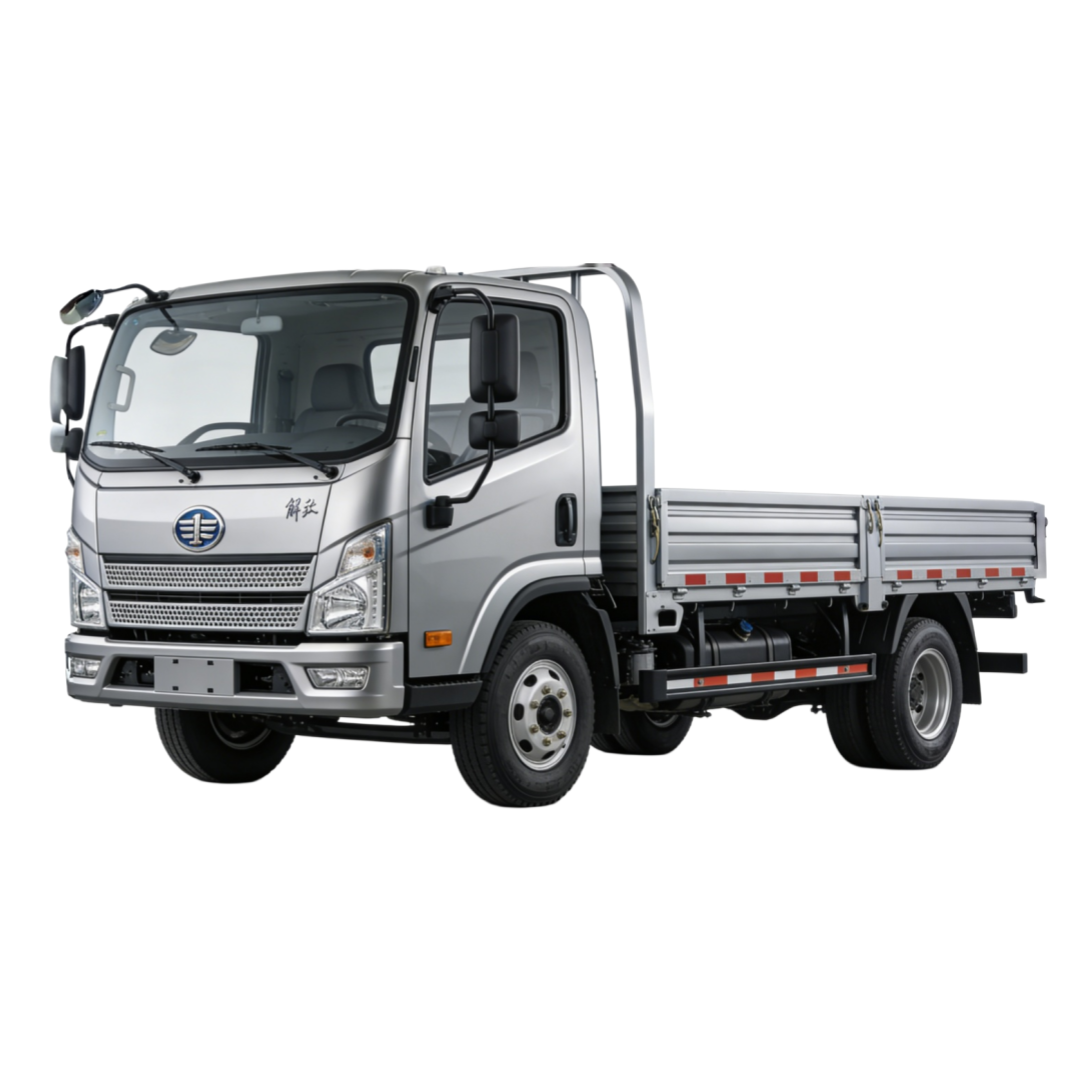
Yüksək istifadə dərəcəsi tələb edən lojistiklər üçün geniş 9,6 m yük tutumu
58 m³ Daxili Həcm və Dəqiq Ölçülər Yük Sıxlığını Maksimuma Çatdırır
9,6 m uzunluğunda qutu tipli yük avtomobili daxili həcm olaraq 58 kub metr həcm təmin edir — bu, hər bir kub metrin mənfəətə təsir etdiyi yüksək istifadə səviyyəli lojistik üçün xüsusi olaraq hazırlanmışdır. Yük bölməsinin ölçüləri uzunluqda 9,6 m, enində 2,4 m və hündürlüyündə 2,5 m-dir; bu da standart Avropa paletlərinin iki sırasını yan-yana yerləşdirməyə və böyük ya da qeyri-müntəzəm formalı mallar üçün kifayət qədər başlıq boşluğuna imkan verir. Bu dəqiq geometriya işıq havasının itirilməsini minimuma endirir və yüklərin sıxlığını maksimuma çatdırır; nəticədə marşrut üzrə səfərlərin sayı azalır və birlik başına daşınma xərcləri aşağı düşür. İstehlak malları, elektronika və yüngül sənaye məhsulları daşınan flotlar üçün bu həcm yüklərin qarışdırılmasına elastiklik təmin edir və eyni zamanda səmərəliliyi zədələmədən maneə yaratmır — tarazlaşdırılmış çəki paylanması isə uzun məsafəli daşınmalarda avtomobilin sabitliyini və idarə olunmasını yaxşılaşdırır.
Yükləmə/boşaltma dövrlərini sürətləndirən aşağı girişli döşəmə və geniş arxa qapı dizaynı
Yükləmə və boşaldma sürəti vaxta həssas paylayıcı şəbəkələrdə çox vacibdir — və bu model ağıllı ergonomika sayəsində fərqlənir. Aşağı giriş mərtəbəsi səviyyəsi yükləmə dokunun və yük yatağının arasında boşluğu minimuma endirir, o biri tərəfdən, qabın demək olar ki, tam gövdə eninə bərabər olan arxa qapısı paletlərin pərəkli köçürülməsinə imkan verir. Forkliftlər və əl ilə idarə olunan yükləyicilər paletləri qaldırma, meyl etdirmə və ya yenidən oriyentasiya etmədən birbaşa yerləşdirə bilərlər — bu da işçilərin fiziki gərginliyini azaldır və yükün zədələnmə riskini aşağı salır. Həcmli paylayıcı mərkəzlərdə bu xüsusiyyətlər hər bir palet üçün orta yükləmə müddətini 15–20 saniyə qədər qısaltır; tam 30 paletlik yükləmə üçün isə bu, hər bir dayanışda təxminən 10 dəqiqə qədər vaxt qənaətidir. Bir neçə günlük dayanışda bu dəqiqələr məhsuldar sürüşmə vaxtı və flotun keçiriciliyi sahəsində əhəmiyyətli artım yaradır.
Uzunməsafəli yük avtomobilinin əməliyyatları üçün mühəndislik üsulu ilə təmin edilmiş təhlükəsizlik
FAW 9,6 m qutu yük avtomobili uzun məsafəli lojistik tələblərinə xüsusi olaraq uyğunlaşdırılmış struktur, mexaniki və elektron təhlükəsizlik sistemlərini birləşdirir — bu da yükün bütövlüyünü və sürücünün etibarını təmin edir.
Titreşim söndürən en kəsişmələrlə gücləndirilmiş pilləkən şassi
Yüksək möhkəmlikli polad pilləkən şassi əsasında yaradılan bu avtomobil çox yüksək burulma sərtliyi təmin edir — bu da bərabərsiz relyefdə yönümlülük və sabitliyi saxlamaq üçün çox vacibdir. Titreşim söndürən materiallarla və optimallaşdırılmış həndəsi formaya malik en kəsişmələr yol təsirindən yaranan zərbələri udur və beləliklə, paketləmənin bütövlüyünü pozan və komponentlərdə sürətli aşınmaya səbəb olan mikro-hərəkətləri əhəmiyyətli dərəcədə azaldır. Bu aşağı deformasiyalı əsas yalnız yükü daha effektiv sabitləşdirmir, həm də süspensiyon və karboyn komponentlərinin xidmət müddətini dövri gərginliyi minimuma endirərək uzadır — nəticədə sıx şəhər limanlarında manevr etməkdə, nə də geniş avtomagistral qövsüzlərində idarəetmədə proqnozlaşdırıla bilən və reaktiv idarəetmə təmin edilir.
Elektron sabitlik nəzarəti (ESC) və Avtomatik sürət qutusu ilə avtomagistralda etibarlılıq
Uzun məsafəli səyahətlər üçün FAW 9,6 m avtomobili elektron sabitlik nəzarəti (ESC) sistemini adaptiv sürət qutusu ilə birləşdirir. ESC sistemi təkərlərin sürüşməsini, yan sürətlənməni və yun dərəcəsini davamlı izləyir və yağış, çınqıl və ya qurtulma manevrləri səbəbiylə tutuşmanın itirilməsinin başlamasını aşkar etdikdə, istiqamət nəzarətini saxlamağa kömək etmək üçün seçilmiş tormozları işə salır və mühərrik momentini azaldır. Adaptiv sürət qutusu isə yük çəkisindən və yol meylliyindən asılı olaraq sürət dəyişikliklərini real vaxtda tənzimləyərək bu funksiyaya dəstək verir. Bu koordinasiya xüsusilə enən yollarda römorkun dalğalanmasını və devrilmə ehtimalını azaldır. Birlikdə bu sistemlər ölçülməsi mümkün bir təhlükəsizlik marjası təmin edir — beləliklə, daha uzun marşrutlar mümkündür, əməliyyat pozuntuları azalır və qəzaların baş vermə ehtimalı aydın şəkildə aşağı düşür.
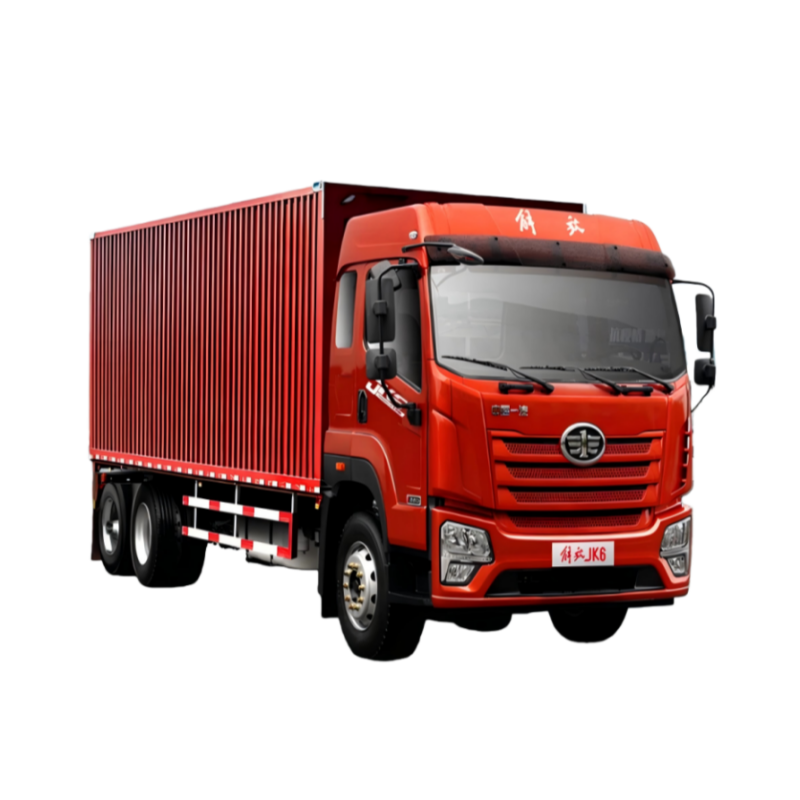
Sınaqdan keçmiş performans: Yanacaq səmərəliliyi, etibarlılıq və sürücüyə yönəldilmiş dizayn
FAW CA6DF3 mühərriki qarışıq marşrutlarda 28–32 km/l yanacaq səmərəliliyi göstərir — sahədə doğrulanmış məlumatlar
Müxtəlif relyef və yük şəraitində 12 ay ərzində toplanan sahə məlumatları, FAW CA6DF3 mühərrikinin qarışıq marşrutlarda 28–32 km/L yanacaq səmərəliliyi əldə etdiyini təsdiqləyir — bu performans göstəricisi telematika sistemləri və flot operatorlarının hesabatları ilə təsdiqlənib. Onun irəli sürülən yanma sistemi dəyişən yüklər altında yanacaq verilməsini optimallaşdırır və eyni zamanda güc çıxışını sabit saxlayaraq itkiyi minimuma endirir. Lojistik operatorlar üçün bu təsdiqlənmiş səmərəlilik birbaşa ən böyük operativ xərclərdən biri olan yanacaq xərcini azaldır. Bu, 9,6 metrlik yük avtomobilini uzunməsafəli və regional paylayış üçün sərfəli, yüksək performanslı seçim kimi mövqe verir.
Ergonomik Kabin Düzülüşü və Texniki Xidmətə Girişin Asanlığı — Dayanma Vaxtının Azaldılması
Sürücünün yaxşı halı və xidmət səmərəliliyi dizayna daxil edilmişdir. Kabinada ergonomik layihələndirmə tətbiq olunmuşdur: intuisiya ilə idarə olunan, strategik yerləşdirilmiş idarəetmə elementləri və tamamilə tənzimlənə bilən oturacaqlar uzun müddətli səyahətlər zamanı yorğunluğu azaldır. Eyni zamanda, bel səviyyəsində yerləşdirilmiş geniş xidmət paneli əsas texniki baxış nöqtələrinə birbaşa giriş imkanı verir və qəbul edilmiş texniki baxışlar zamanı xüsusi qaldırma avadanlığına ehtiyac yaratmır. Bu iki yönüm — insan amilləri və xidmət ediləbilərlilik — konkret operativ üstünlüklərə çevrilir: flot menecerləri qəbul edilmiş texniki baxışlar zamanı konvensiyonal modellərə nisbətən 15% daha sürətli dövrə vaxtı göstərir ki, bu da etibarlılığı və iş vaxtının maksimum saxlanılmasını əsas üstünlüklər kimi təsdiqləyir.
عمومی سواللار بؤلومو
9,6 m yük avtomobilinin daxili həcmi nə qədərdir?
Avtomobilin daxili həcmi 58 kub metr təşkil edir və bu, standart Avropa paletlərinin iki sırasını və böyük ölçülü yükü yerləşdirmək üçün kifayət qədər boşluğa malik olmaqla optimallaşdırılmışdır.
Aşağı səviyyəli daxil olma yeri yükləmə səmərəliliyini necə artırır?
Aşağı səviyyəli döşəmə yükləmə platforması ilə yük yatağı arasındakı boşluğu minimuma endirir, işçilərin fiziki gərginliyini azaldır və paletlərin daha sürətli köçürülməsinə imkan verir — bu da bir neçə dayanma nöqtəsində əhəmiyyətli vaxt qənaəti təmin edir.
Yükün təhlükəsizliyini təmin etmək üçün şassi hansı xüsusiyyətlərə malikdir?
Yüksək möhkəmlikli polad addım-şassi və titrəməni azaldan eninə elementləri yol zərbələrini minimuma endirir, yükü təhlükəsiz saxlayır və avtomobilin xidmət müddətini uzadır.
FAW CA6DF3 mühərriki nə qədər yanacaq səmərəlidir?
Mühərrik qarışıq marşrutlarda təsdiqlənmiş 28–32 km/litr yanacaq səmərəliliyi göstərir; bu göstərici 12 ay ərzində sahədə toplanmış məlumatlar əsasında təsdiqlənib.
Kabinanın əsas ergonomik xüsusiyyətləri nələrdir?
Kabina intuisiya ilə idarə olunan idarəetmə panelinə, sürücünün yorğunluğunu azaldan tamamilə tənzimlənə bilən oturacaqlara və avtomobilin daha asan texniki xidmətini təmin edən bel səviyyəsində xidmət panellərinə malikdir.

