
 EN
EN



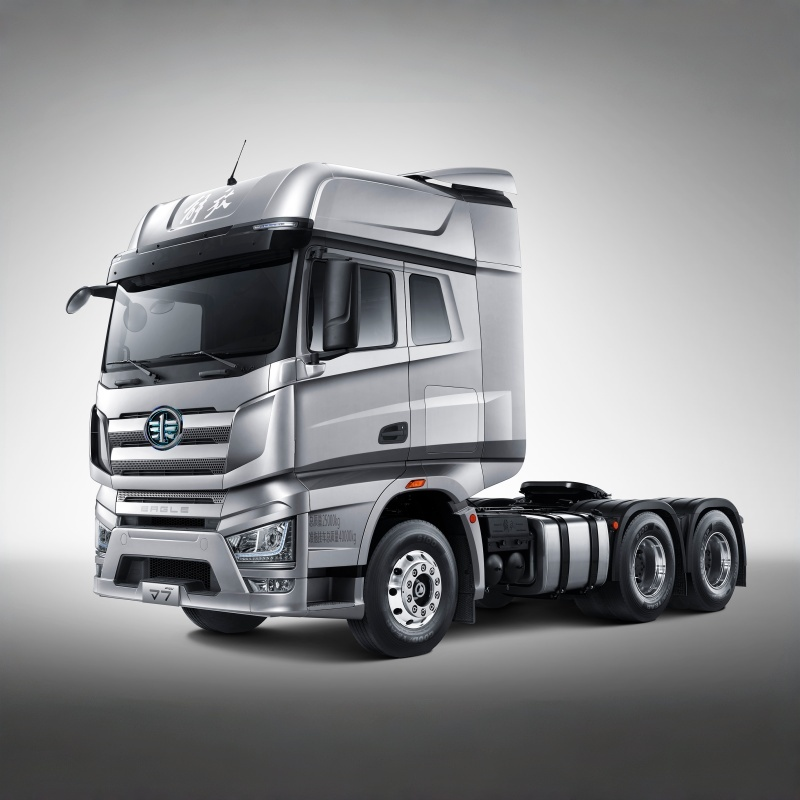
Engineering Resilience: Decoding the Modern Commercial Diesel Fleet
Keeping a heavy-duty commercial vehicle running smoothly across international borders is a massive headache for modern fleet managers and logistics procurement directors. On the global stage, a diesel truck is far more than a complex combination of steel and rubber. It acts as an expensive, income-generating asset. Every single hour that a vehicle sits idle by the side of the highway because of an engine failure translates directly into lost revenue and broken supply chain contracts.
Whether your logistics routes demand crossing blistering 50°C Middle Eastern desert corridors or navigating the bone-chilling -40°C mountain passes of Northern Europe, high-performance diesel trucks must rely on rugged, real-world thermodynamic engineering to survive.
Recent field data compiled from heavily trafficked cross-border logistics lanes reveals a brutal reality: climate-induced vehicle downtime accounts for up to 18% of total fleet revenue losses each year. Fighting back against these environmental stressors requires a highly integrated approach toward powertrain thermal management, real-time electronic calibration, and heavy-duty structural materials. True operational resilience means ensuring that unpredictable weather patterns never turn into catastrophic mechanical failure or unscheduled maintenance bills.
Thermal Management Systems Under Severe Heat Stress
Running long-haul routes in hyper-thermal environments places an incredible amount of stress on an engine. When pulling maximum gross vehicle weight (GVW) up a steep grade in an arid desert zone, traditional mechanical cooling fans simply cannot keep up. They drain valuable horsepower, drag down your fuel economy, and frequently allow engine temperatures to spike, which causes rapid synthetic lubricant degradation and warped cylinder heads.
Modern commercial fleets bypass these classic bottlenecks entirely by pairing electronic viscous fan clutches with independent split-cooling architectures. This layout separates the charge air cooler (intercooler) from the primary engine radiator.
During extensive engineering field validation trials tracking long-haul routes through high-temperature, dust-heavy terrains, advanced smart thermal management systems monitored real-time coolant, transmission oil, and intake air temperatures through a dense network of digital sensors. Instead of running the fan at 100% all the time, the system utilizes precise pulse-width modulation (PWM) control to continuously adjust the fan speed based on actual cooling demand.
This keeps the engine core operating smoothly within its sweet spot between 85°C and 95°C. This rigorous thermal control fully complies with the strict ISO 16750 standard for road vehicle environmental and electrical stress testing. For international logistics buyers, this engineering precision means eliminating premature top-end overhauls, protecting critical engine components, and maximizing daily fleet uptime.
Cold Start Technologies and Fuel Fluidity in Sub-Zero Zones
On the flip side, sub-zero logistics routes throw the exact opposite set of nightmares at a transportation enterprise: rapid battery drain, brittle rubber components, and severe fuel crystallization. The moment the ambient temperature drops below freezing, standard diesel fuel begins to experience paraffin wax precipitation. The fuel thickens, plugs up lines, and completely immobilizes standard fuel filters, leaving your drivers stranded before the day even begins.
To conquer these freezing hazards, modern cross-border trucks feature highly advanced fuel-rail heating matrices, high-density glow plugs with rapid-heating ceramic elements, and intelligent fuel-water separators utilizing independent 12V/24V heating circuits.
Field logs from Arctic cross-border operations prove that running an independent auxiliary parking heater to preheat the engine block coolant to 60°C before turning the key yields massive long-term financial rewards. This simple preheating process cuts cold-start cranking torque requirements by more than 40%. More importantly, it stops the severe cylinder wall wear that occurs when thick, cold oil takes too long to reach critical moving parts during a freezing morning start.
By closely following the SAE (Society of Automotive Engineers) technical consensus regarding low-temperature fluid dynamics, modern heavy-duty trucks completely eliminate the morning downtime that consistently paralyzes less advanced transport operations.
High Altitude Air Density Compensation via Advanced Filtration
When a commercial transport asset climbs steep mountain passes or works on high-altitude plateaus rising above 3,000 meters, atmospheric pressure drops off sharply. The air gets incredibly thin. Without automated, real-time mechanical compensation, this lack of oxygen causes incomplete fuel combustion, skyrocketing exhaust gas temperatures (EGT), and thick black smoke emissions. In the commercial transport sector, this performance drop is known as altitude de-rating, and it ruins your fuel efficiency.
High-performance diesel truck designs solve this altitude issue by using variable geometry turbochargers (VGT) that are constantly managed by high-precision barometric pressure sensors built right into the Electronic Control Unit (ECU).
The ECU runs sophisticated, real-time adaptive algorithms that automatically tweak the turbocharger vane angles on the fly. This adjustment speeds up the compressor wheel, forcing a much higher volume of oxygen into the combustion chamber to maintain the perfect air-fuel ratio despite the thin air.
At the same time, deploying heavy-duty multi-stage cyclonic air filtration systems ensures that whether a truck is fighting its way through a blinding desert sandstorm or hauling loads across high mountain passes, the combustion chamber receives a continuous, clean stream of air. This multi-layered filtration protects high-pressure common-rail injection systems from micro-particle abrasion, preserving the ultra-fine spray patterns needed for clean, efficient combustion.
Maximizing Commercial Value Through Global Logistics Optimization
At the end of the day, the true measure of any truck's engineering is its Total Cost of Ownership (TCO). A commercial asset that requires specialized mechanical tweaks, unique fluid types, or specific component swaps every time it crosses a geographic or climatic border is a financial burden that modern logistics companies cannot afford. Building a heavy-duty commercial vehicle to naturally handle extreme environmental shifts drastically reduces the frequency of unscheduled maintenance stops, optimizes fuel injection mapping across all driving profiles, and protects the long-term residual value of the truck.
By standardizing top-tier structural components—including advanced anti-corrosion chassis coatings that resist harsh winter road salt and specialized fluorosilicone rubber seals that will not crack under intense, prolonged UV exposure—manufacturers deliver a truly versatile transport solution. This level of built-in versatility ensures that international logistics businesses can confidently deploy their vehicle assets across entirely different geographic regions without worrying about sudden component breakdowns or unexpected supply chain delays.
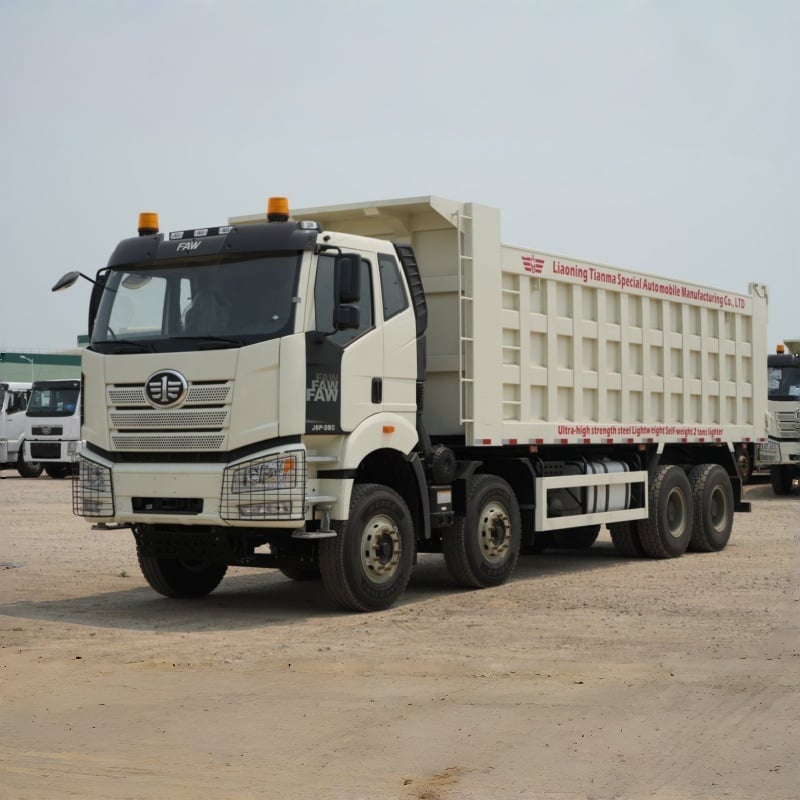
Leveraging World Class Engineering and Global Supply Chain Ecosystems
Executing this level of sophisticated, all-weather climate adaptation requires a commercial vehicle manufacturer with deep industrial roots, massive production capacity, and decades of cross-border field data. As a dominant global force in heavy-duty commercial vehicle manufacturing, FAW TRUCKS designs and builds its extensive line of high-performance diesel trucks based on millions of kilometers of brutal validation testing across the world’s most challenging environments. By leveraging highly automated intelligent manufacturing facilities, precise robotic welding lines, and a massive global supply chain built alongside world-renowned Tier-1 component innovators, the brand guarantees that every heavy-duty vehicle delivers unmatched structural durability.
Backed by an expansive international spare parts supply network and highly efficient, localized KD assembly plants across strategic overseas markets, FAW TRUCKS offers global B2B buyers an absolute operational guarantee. This world-class industrial backing ensures non-stop logistical power and highly predictable, secure financial returns, no matter how extreme the local climate becomes.
Table of Contents
- Engineering Resilience: Decoding the Modern Commercial Diesel Fleet
- Thermal Management Systems Under Severe Heat Stress
- Cold Start Technologies and Fuel Fluidity in Sub-Zero Zones
- High Altitude Air Density Compensation via Advanced Filtration
- Maximizing Commercial Value Through Global Logistics Optimization
- Leveraging World Class Engineering and Global Supply Chain Ecosystems

