
 EN
EN



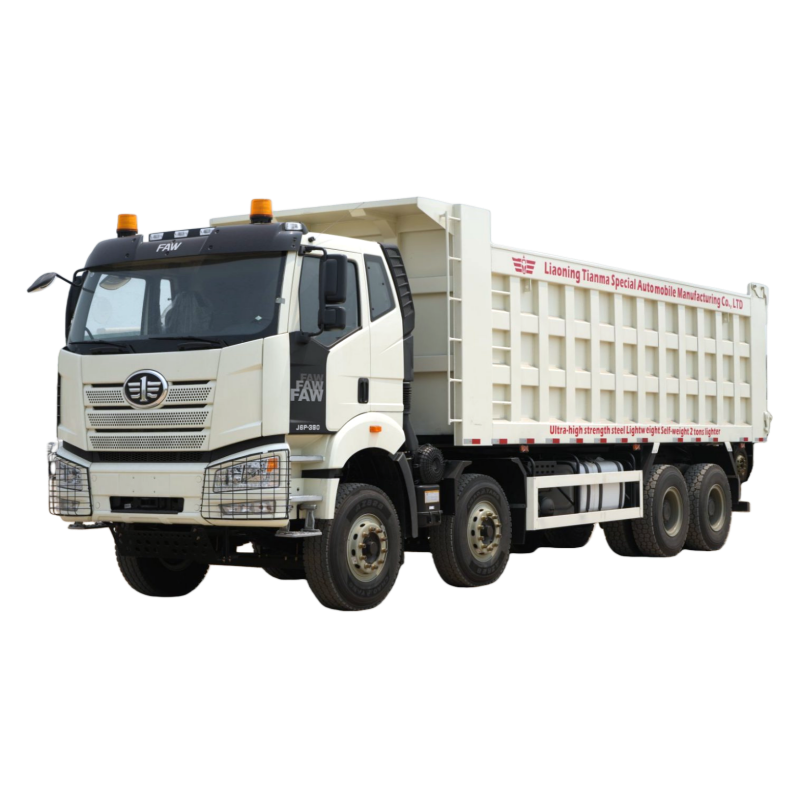
কেন FAW ইলেকট্রিক ট্র্যাক্টর ট্রাক চীনের সবুজ মাল পরিবহনের পরিবর্তনে নেতৃত্ব দিচ্ছে
নিয়ন্ত্রক অনুঘটকঃ চীনের এনইভি ম্যান্ডেট এবং ইইউর সিও২ স্ট্যান্ডার্ডগুলি বৈদ্যুতিক ট্রাক গ্রহণের গতি বাড়ায়
চীনের আক্রমণাত্মক নিউ এনার্জি ভেহিকেল (NEV) বাধ্যতামূলক নীতিমালা ইলেকট্রিক ট্রাক গ্রহণের প্রধান চালিকা শক্তি। ২০২৫ সালের মধ্যে প্রধান অঞ্চলগুলিতে নতুন ভারী-দায়িত্বপূর্ণ ট্রাকের বিক্রয়ের ২০% শূন্য-নিঃসরণ হতে হবে—এটি একটি বাধ্যতামূলক লক্ষ্য, যা রাষ্ট্রীয় মালিকানাধীন ফ্লিটগুলির ক্রয় প্রয়োজনীয়তা দ্বারা আরও শক্তিশালী করা হয়েছে। একইসাথে, ইউরোপীয় ইউনিয়নের কার্বন বর্ডার অ্যাডজাস্টমেন্ট মেকানিজম (CBAM) এবং ভারী-দায়িত্বপূর্ণ যানবাহনের জন্য কঠোরতর CO₂ মানদণ্ড বিশ্বব্যাপী সরবরাহ শৃঙ্খলের প্রত্যাশা পুনর্গঠন করছে। ইউরোপীয় ইউনিয়নের গ্রাহকদের জন্য বা সীমান্ত-অতিক্রমকারী যানবাহন কার্যক্রমে চীনা রপ্তানিকারকদের জন্য FAW-এর মতো ইলেকট্রিক ট্র্যাক্টর ট্রাক গ্রহণ করা আর ঐচ্ছিক নয়—এটি এখন অনুমোদনের একটি পূর্বশর্ত।
চীন উচ্চ-ক্ষমতাসম্পন্ন চার্জিং নেটওয়ার্কের জন্য সাবসিডি এবং ব্যাটারি-সোয়াপিং-এর জন্য শক্তিশালী নীতিগত সমর্থনের মাধ্যমে আরও দ্রুত গতিতে বৈদ্যুতিকীকরণ গ্রহণ করছে, যা বর্তমানে দেশজুড়ে প্রায় ৪০% বৈদ্যুতিক ভারী-দায়িত্বপূর্ণ ট্রাকে প্রয়োগ করা হয়েছে। এই দ্রুত রিফুয়েলিং ক্ষমতা — পাঁচ মিনিটের কম সময় — সরাসরি ফ্লিট অপারেটরদের সবচেয়ে গুরুত্বপূর্ণ পরিচালনাগত চিন্তার একটির সমাধান করে। নিয়ন্ত্রণমূলক চাপ, অবকাঠামোর প্রস্তুতি এবং যানবাহনের পরিপক্বতার সমন্বয়ে FAW বৈদ্যুতিক ট্র্যাক্টর ট্রাকটি সবুজ ফ্রেইট রূপান্তরের জন্য একটি স্কেলযোগ্য ও নিয়মপালনকারী সমাধান হিসেবে প্রতিষ্ঠিত হয়েছে।
জীবনচক্রের সুবিধা: কীভাবে FAW বৈদ্যুতিক ট্র্যাক্টর ট্রাকটি প্রকৃত 'ওয়েল-টু-হুইল' নি:সর্গ হ্রাস অর্জন করে
FAW ইলেকট্রিক ট্র্যাক্টর ট্রাকটি এর সম্পূর্ণ জীবনচক্র জুড়ে—শুধুমাত্র এগজস্ট পাইপে নয়—উল্লেখযোগ্য নি:সরণ হ্রাস করে। চীনে বর্তমানে নবায়নযোগ্য শক্তি বিদ্যুৎ উৎপাদনের ৩০% এর অধিক অংশ জুড়ে রয়েছে—এবং এটি ধীরে ধীরে বৃদ্ধি পাচ্ছে—ফলে ব্যাটারি-ইলেকট্রিক অপারেশনের উৎসস্থলীয় (আপস্ট্রিম) কার্বন তীব্রতা ক্রমাগত হ্রাস পাচ্ছে। জীবনচক্র বিশ্লেষণ দেখায় যে, আঞ্চলিক গ্রিড মিশ্রণের উপর নির্ভর করে, ইলেকট্রিক ভারী-দায়িত্বপূর্ণ ট্রাকগুলি ডিজেল সমতুল্যগুলির তুলনায় CO₂ নি:সরণ ৪৫% থেকে ৬০% পর্যন্ত কমায়।
FAW এই সুবিধাটিকে একীভূত শক্তি পুনরুদ্ধার সিস্টেম এবং হালকা ওজনের উপকরণের কৌশলগত ব্যবহারের মাধ্যমে আরও উন্নত করেছে, যা লোড বহন ক্ষমতা বা টেকসইতা কমানো ছাড়াই দক্ষতা বৃদ্ধি করে। এই নকশা-সংক্রান্ত সিদ্ধান্তগুলি নিশ্চিত করে যে যানবাহনটি বর্তমান নির্গমন মানগুলি পূরণ করে এবং ইউরোপীয় ইউনিয়নের আসন্ন ইউরো VII নিয়মকে অন্তর্ভুক্ত করে এমন জরুরি নিয়ন্ত্রণমূলক কাঠামোর সাথে সামঞ্জস্যপূর্ণ — যা কূপ থেকে চাকার (well-to-wheel) দায়িত্বশীলতার উপর জোর দেয়। লজিস্টিক্স অপারেটরদের জন্য, এটি একটি যুক্তিসঙ্গত টেকসইতা বর্ণনা এবং স্কোপ 3 নির্গমন লক্ষ্যমাত্রার দিকে পরিমাপযোগ্য অগ্রগতির প্রতিফলন ঘটায় — যা শুধুমাত্র নিয়ন্ত্রণমূলক প্রয়োজনীয়তা পূরণের চেয়ে অনেক বেশি স্পষ্ট পরিবেশগত সুবিধা প্রদান করে।
ইলেকট্রিক ট্রাকের কার্যকরীকরণ: লজিস্টিক্স ফ্লিটের জন্য বাস্তব-বিশ্বের প্রয়োগ মডেল
হাব-অ্যান্ড-স্পোক ইলেকট্রিফিকেশন: FAW ইলেকট্রিক ট্র্যাক্টর ট্রাকগুলি ব্যবহার করে ২০০ কিমি আঞ্চলিক পরিবহন অপ্টিমাইজ করা
হাব-অ্যান্ড-স্পোক মডেলটি আঞ্চলিক মালবাহী পরিবহনে FAW ইলেকট্রিক ট্র্যাক্টর ট্রাক চালু করতে আদর্শ প্রমাণিত হয়েছে। এই কনফিগারেশনে, একটি কেন্দ্রীয় বিতরণ হাব একাধিক স্পোক রুট পরিষেবা প্রদান করে—প্রতিটি রুট সর্বোচ্চ ২০০ কিমি পর্যন্ত—যা যানবাহনটির একবার চার্জ করে অতিক্রম করা যায় এমন পরিসীমার মধ্যে ভালোভাবে ফিট হয়। প্রতিদিনের দূরত্ব পূর্বানুমেয় হওয়ায় শক্তি পরিকল্পনা নির্ভুলভাবে করা যায় এবং পরিসীমা-সংক্রান্ত উদ্বেগ দূর হয়। অপারেটররা এই আঞ্চলিক পথগুলিতে সামঞ্জস্যপূর্ণ কার্যকারিতা রিপোর্ট করেছেন এবং ঐতিহ্যবাহী ফ্লিটের তুলনায় ডিজেল ব্যবহারের ৮০% পর্যন্ত প্রতিস্থাপন অর্জন করেছেন।
এই মডেলটি ফ্রেইট প্রবাহগুলিকে একটি একক নোডের মাধ্যমে একত্রিত করে সম্পদ ব্যবহারের দক্ষতা বৃদ্ধি করে এবং খালি ফেরত যাত্রা কমায়। অবকাঠামোগত দৃষ্টিকোণ থেকে, এটি মূলধন ব্যয় কমিয়ে দেয়: শুধুমাত্র হাবে উচ্চ-ক্ষমতাসম্পন্ন চার্জিং স্টেশন প্রয়োজন হয়, যা বাস্তবায়নকে সরল করে এবং ROI (রিটার্ন অন ইনভেস্টমেন্ট) ত্বরান্বিত করে। প্রাথমিক গ্রাহকরা নিশ্চিত করেছেন যে FAW ইলেকট্রিক ট্র্যাক্টর ট্রাক এই ধরনের নেটওয়ার্কে সহজেই একীভূত হয়—বিশ্বস্ততা, দক্ষতা এবং পরিমাপযোগ্য ডিকার্বনাইজেশন সুবিধা প্রদান করে।
চার্জিং ইনফ্রাস্ট্রাকচার কৌশল: শানডং-এ ডিপো-ভিত্তিক অপর্চুনিটি চার্জিং এবং ব্যাটারি-সোয়াপিং পাইলট
ইলেকট্রিক ট্রাক অপারেশন বজায় রাখতে দুটি পরিপূরক ইনফ্রাস্ট্রাকচার কৌশল জনপ্রিয়তা লাভ করছে: ডিপো-ভিত্তিক অপর্চুনিটি চার্জিং এবং মানকৃত ব্যাটারি-সোয়াপিং।
ডিপো-ভিত্তিক অপর্চুনিটি চার্জিং লোডিং ও আনলোডিংয়ের সময় সংক্ষিপ্ত বিরতি—সাধারণত ৩০–৬০ মিনিট—কে কাজে লাগিয়ে ১৫০ কিলোওয়াট বা তদধিক চার্জার ব্যবহার করে ব্যাটারিগুলি পুনরায় চার্জ করে। এই পদ্ধতির মাধ্যমে এক ঘণ্টার মধ্যে ব্যাটারির চার্জ অবস্থা (SoC) সর্বোচ্চ ৬০% পর্যন্ত পুনরুদ্ধার করা যায়, যা পরবর্তী শিফটের জন্য সম্পূর্ণ প্রস্তুতি নিশ্চিত করে এবং কাজের প্রবাহে বাধা দেয় না।
একই সময়ে, শানডং প্রদেশ ভারী-দায়িত্বপূর্ণ ট্রাকগুলির জন্য বিশেষভাবে ডিজাইন করা ব্যাটারি-সোয়াপিং স্টেশনগুলির পাইলট প্রকল্প চালু করেছে। এই স্টেশনগুলি মানকৃত, সোয়াপযোগ্য ব্যাটারি প্যাক ব্যবহার করে পাঁচ মিনিটের মধ্যে সম্পূর্ণ শক্তি আদান-প্রদান সম্পন্ন করে — ফলে চার্জিং-সংক্রান্ত অপারেশন বন্ধ হওয়ার সময় কার্যকরভাবে দূর হয়। এই পাইলট প্রকল্পটি একাধিক লজিস্টিক্স অঞ্চল জুড়ে প্রসারিত হয়েছে এবং দ্রুত পালটানো (rapid turnaround) যেখানে মিশন-সমালোচনামূলক, সেখানে আঞ্চলিক হাব-অ্যান্ড-স্পোক অপারেশনের স্কেলযোগ্যতা পরীক্ষা করছে। যদি এটি যাচাই করা যায়, তবে এই মডেলটি সময়-সংবেদনশীল মালবাহী পথগুলির জন্য অতিদ্রুত চার্জিংয়ের একটি আকর্ষণীয় বিকল্প প্রদান করবে।
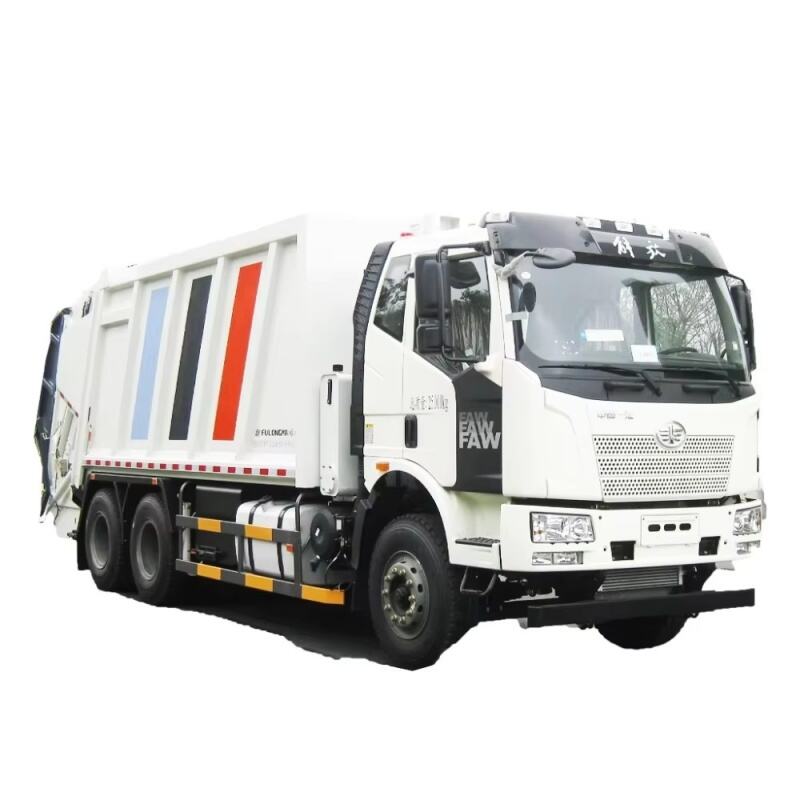
ইলেকট্রিক ট্রাকের অর্থনীতি: মোট মালিকানা খরচ (TCO), উৎসাহন ও ফ্লিট-ব্যাপী ব্যবহারযোগ্যতার পথ
ইলেকট্রিক ট্রাকে লাভের বিন্দু অর্জন: যখন প্রাথমিক খরচ ৩০% কম রক্ষণাবেক্ষণ ও শক্তি সঞ্চয়ের সাশ্রয়ের সাথে মিলিত হয়
যদিও একটি ইলেকট্রিক ট্রাকের প্রাথমিক ক্রয়মূল্য এর ডিজেল সমতুল্যের তুলনায় ৩০% থেকে ৫০% বেশি থাকে, মোট মালিকানা খরচ (টিসিও) একটি ভিন্ন গল্প বলে। ইলেকট্রিক ড্রাইভট্রেনগুলির রক্ষণাবেক্ষণের প্রয়োজন উল্লেখযোগ্যভাবে কম — কোনও তেল পরিবর্তন, এক্সহস্ট অ্যাফটারট্রিটমেন্ট বা ট্রান্সমিশন পুনর্নির্মাণ প্রয়োজন হয় না — যা পরিষেবা খরচ প্রায় ৩০% কমিয়ে দেয়। শক্তি খরচও সমানভাবে আকর্ষক: প্রতি কিলোমিটার বিদ্যুৎ খরচ সাধারণত ডিজেলের তুলনায় অর্ধেক হয়।
২০০ কিমি-এর কম দূরত্বের আঞ্চলিক পরিবহন অ্যাপ্লিকেশনের জন্য — যা FAW ইলেকট্রিক ট্র্যাক্টর ট্রাকের মূল ব্যবহারের ক্ষেত্র — এই সঞ্চয়গুলি ৩ থেকে ৫ বছরের মধ্যে বিনিয়োগ ফেরত দেওয়ার সুযোগ করে দেয়। চায়না অটোমোটিভ টেকনোলজি অ্যান্ড রিসার্চ সেন্টারের শিল্প বিশ্লেষণ নিশ্চিত করে যে মাঝারি-বোঝা ইলেকট্রিক ট্রাকগুলি ইতিমধ্যে অনেক শহুরে যাতায়াত ও লজিস্টিক্স পরিবেশে টিসিও সমতা অর্জন করেছে, এবং ভারী-বোঝা মডেলগুলি ২০২৫–২০২৬ সালের মধ্যে এটি অর্জন করবে বলে প্রত্যাশিত।
সাবসিডি ক্লিফ ও কৌশলগত সময়সূচী: চীনের ২০২৫ সালের NEV উৎসাহন বন্ধ করার প্রক্রিয়ার মধ্য দিয়ে ইলেকট্রিক ট্রাক ক্রয়ের জন্য পথ নির্দেশনা
চীনের নতুন শক্তি যানবাহন (NEV) ক্রয় সাবসিডি—যা ইলেকট্রিক ট্রাকের প্রাথমিক খরচকে ২০% থেকে ৩০% পর্যন্ত কমিয়ে দিতে পারে—২০২৫ সালের মধ্যে সম্পূর্ণরূপে বন্ধ হয়ে যাওয়ার কথা রয়েছে। এটি ফ্লিট অপারেটরদের জন্য ক্রয় ত্বরান্বিত করার একটি সংকীর্ণ কিন্তু সিদ্ধান্তমূলক সুযোগ তৈরি করে। এই উৎসাহিতকর সুযোগগুলি কাজে লাগানো হলে বিনিয়োগের পুনরুদ্ধার সময়কাল এক থেকে দুই বছর কমে যায় এবং প্রাথমিক গ্রহণের আর্থিক ঝুঁকিও কমে যায়।
কৌশলগত সময় নির্ধারণ মানে যানবাহন ক্রয়কে সমর্থনকারী অবকাঠামো প্রতিষ্ঠার সঙ্গে সমন্বয় করা—যেমন ডিপোতে চার্জার স্থাপন করা বা ব্যাটারি-সোয়াপিং পাইলট প্রকল্পে অংশগ্রহণ করা—এবং রুটের অগ্রাধিকার অনুযায়ী বৈদ্যুতিকীকরণ ধাপে ধাপে বাস্তবায়ন করা। ২০২৪–২০২৫ সালে কাজ করা অপারেটররা নিম্নতর অর্জন খরচ নিশ্চিত করেন এবং কঠোর বাধ্যতামূলক নির্দেশিকা আসার আগেই কার্যক্রমের অভিজ্ঞতা অর্জন করেন। সাবসিডি বন্ধ হওয়ার পরে বৈদ্যুতিকীকরণ বিলম্বিত করা দীর্ঘমেয়াদী মোট মালিকানা খরচ (TCO) সুবিধাকে বাতিল করে না—কিন্তু এটি বিনিয়োগের লাভজনক সময়সীমা বাড়িয়ে দেয় এবং বাজেট পরিকল্পনায় ভুলের সীমা সংকুচিত করে। সাবসিডি বন্ধ হওয়া কোনো বিরতির সংকেত নয়; এটি দৃঢ় সিদ্ধান্ত নেওয়ার জন্য একটি প্রেরণা।
প্রায়শই জিজ্ঞাসিত প্রশ্নাবলী
কেন ফাও ইলেকট্রিক ট্র্যাক্টর ট্রাকটিকে চীনে সবুজ পণ্য পরিবহনের রূপান্তরের নেতৃত্বদায়ী হিসাবে বিবেচনা করা হয়?
এটি চীনের কঠোর এনইভি (NEV) বাধ্যতামূলক নীতিমালা, চার্জিং নেটওয়ার্ক এবং ব্যাটারি-সোয়াপিং-এর জন্য সাবসিডি সহ সমর্থনকারী অবকাঠামো, এবং ইউরোপীয় ইউনিয়নের CO₂ মানদণ্ডের মতো বিধিমালার সাথে যানটির অনুপালনের দ্বারা চালিত।
ফাও ইলেকট্রিক ট্র্যাক্টর ট্রাকের নি:সর্গ সুবিধাগুলি কী কী?
জীবনচক্র বিশ্লেষণ দেখায় যে, ডিজেল ট্রাকের তুলনায় এটি CO₂ নি:সর্গ ৪৫% থেকে ৬০% পর্যন্ত কমায়, যা শক্তি পুনরুদ্ধার এবং হালকা ওজনের উপকরণের উদ্ভাবনের সাথে যুক্ত।
ইলেকট্রিক ট্রাক প্রয়োগের জন্য কোন কোন কার্যকরী মডেল সবচেয়ে ভালো কাজ করে?
হাব-অ্যান্ড-স্পোক মডেল আঞ্চলিক হাউল অপারেশনগুলিকে অপ্টিমাইজ করে, যখন ডিপো চার্জিং এবং ব্যাটারি-সোয়াপিং নির্ভরযোগ্য শক্তি ব্যবস্থাপনা নিশ্চিত করে।
ইলেকট্রিক ট্রাক ক্রয় অর্থনৈতিকভাবে সমীচীন কি?
যদিও প্রাথমিক খরচ বেশি হয়, কিন্তু রক্ষণাবেক্ষণ এবং শক্তি ব্যবহার থেকে দীর্ঘমেয়াদী সঞ্চয় মোট মালিকানা খরচ (TCO) কে প্রতিযোগিতামূলক করে তোলে। ২০২৫ সালের আগে সাবসিডি বন্ধ হওয়ার আগে ক্রয় করলে এর অর্থনৈতিক সমীচীনতা আরও বৃদ্ধি পায়।
বিষয়সূচি
-
কেন FAW ইলেকট্রিক ট্র্যাক্টর ট্রাক চীনের সবুজ মাল পরিবহনের পরিবর্তনে নেতৃত্ব দিচ্ছে
- নিয়ন্ত্রক অনুঘটকঃ চীনের এনইভি ম্যান্ডেট এবং ইইউর সিও২ স্ট্যান্ডার্ডগুলি বৈদ্যুতিক ট্রাক গ্রহণের গতি বাড়ায়
- জীবনচক্রের সুবিধা: কীভাবে FAW বৈদ্যুতিক ট্র্যাক্টর ট্রাকটি প্রকৃত 'ওয়েল-টু-হুইল' নি:সর্গ হ্রাস অর্জন করে
- ইলেকট্রিক ট্রাকের কার্যকরীকরণ: লজিস্টিক্স ফ্লিটের জন্য বাস্তব-বিশ্বের প্রয়োগ মডেল
- ইলেকট্রিক ট্রাকের অর্থনীতি: মোট মালিকানা খরচ (TCO), উৎসাহন ও ফ্লিট-ব্যাপী ব্যবহারযোগ্যতার পথ
- প্রায়শই জিজ্ঞাসিত প্রশ্নাবলী

